
Key Takeaways
Careful selection of floral elements transforms any venue into an immersive experience while setting the professional tone necessary for success. This guide offers expert insights into styling blooms that resonate with your guests and event goals.
- Master color theory to influence guest emotions and highlight brand identities.
- Use scent-rich blooms to create memorable, multi-sensory environments.
- Select seasonal flowers to support sustainability and ensure structural endurance.
- Coordinate lighting temperatures to enhance the natural vibrance of petal hues.
- Integrate professional maintenance routines to ensure decorative longevity throughout your event.
Understanding the psychology of floral design
Floral arrangements act as a non-verbal language, setting the atmosphere before a single guest speaks. By understanding the visual and physical properties of botanicals, designers can manipulate the mood of a space to match the specific needs of a corporate or social gathering. A thoughtful curation turns simple decor into an essential component of the event narrative.
Color theory and emotional response
Color impacts human psychology instantly, guiding how participants feel in a room. Using vibrant reds or energetic oranges can stir excitement, while cool blues and soft whites cultivate a sense of tranquility and focus. Incorporating floral arrangements based on color theory transforms a venue into a cohesive, intentional space.
Scent profiles for immersive environments
Fragrance allows for a deeper connection with guests, as smell is closely linked to long-term memory. Bringing in lavender or jasmine for intimate gatherings adds a layer of depth that elevates the experience beyond simple aesthetics. When pairing scents, prioritize balance so the aroma enhances the environment without overwhelming the space for those sensitive to intense perfumes.
Texture and tactile engagement
Texture brings a tactile depth to an event, making displays feel more organic and accessible. Mixing soft petals like ranunculus with coarse, interesting foliage or dried elements creates visual interest that keeps the eye moving. This level of detail makes the room feel fully realized and thoughtfully designed.
Aligning floral choices with event themes
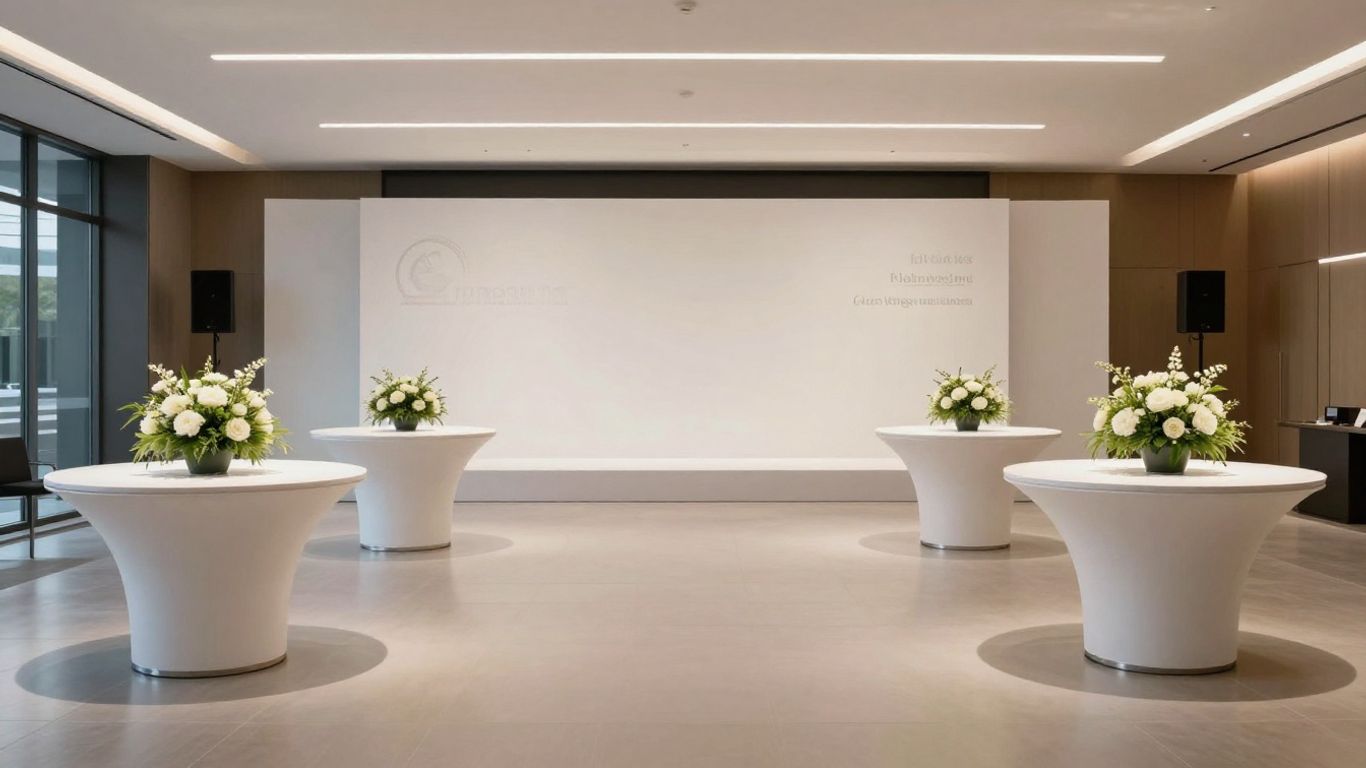
Formal corporate gatherings and minimalist aesthetics
Corporate environments benefit from clean lines and consistent color stories. A minimalist aesthetic avoids clutter, focusingInstead on the quality of a few well-placed stems that demonstrate precision and luxury. This is where the reliability of a high-end partner like iBuyFlowers becomes invaluable for sourcing uniform, premium blooms.
Romantic wedding styles and soft palettes
Weddings often demand a softer touch, utilizing pastels and lush arrangements to foster a sense of connection. Many couples favor classic choices that offer a timeless look. You should consider these foundational blooms when designing for romance:
- Garden roses for classic, full-petaled volume.
- Spirea or delphinium for long, graceful lines.
- Dusty miller for a neutral, velvet-soft background filler.
- Ranunculus for delicate layering and intricate petal patterns.
High-energy gala atmospheres and bold statements
Galas allow for dramatic floral expressions that command attention. Using large, unique structures filled with vibrant colors creates an atmosphere of excitement that encourages social interaction. These statement pieces are essential for anchoring large rooms and creating memorable highlights throughout the night.
Coordinating lighting and floral impact
Lighting should never be treated as an afterthought during floral planning. The way light interacts with petals is critical to ensuring your arrangements appear as vibrant as you intended across different times of the day.
The impact of warm versus cool lighting on petal hues
Warm lighting can shift soft pinks toward golden tones, while cool lights can emphasize the stark purity of white flowers. Testing your floral choices under the specific venue lighting prevents unexpected color shifts that could ruin an aesthetic vision.
Creating visual depth through light-absorbing foliage
Using dark, matte foliage provides a background that allows brighter flowers to pop. This contrast creates depth, preventing displays from becoming blurred blobs of color under intense spotlights. Strategically placing these foliage types ensures your centerpiece maintains a clear shape at any distance.
Highlighting centerpieces to guide guest focus
Focused accent lights emphasize centerpieces, turning them into natural gravity points for guest conversation. This helps guests identify the focal points of a room, which can be particularly useful when you need to elevate your next event through clear design cues.
Prioritizing seasonality and sustainability
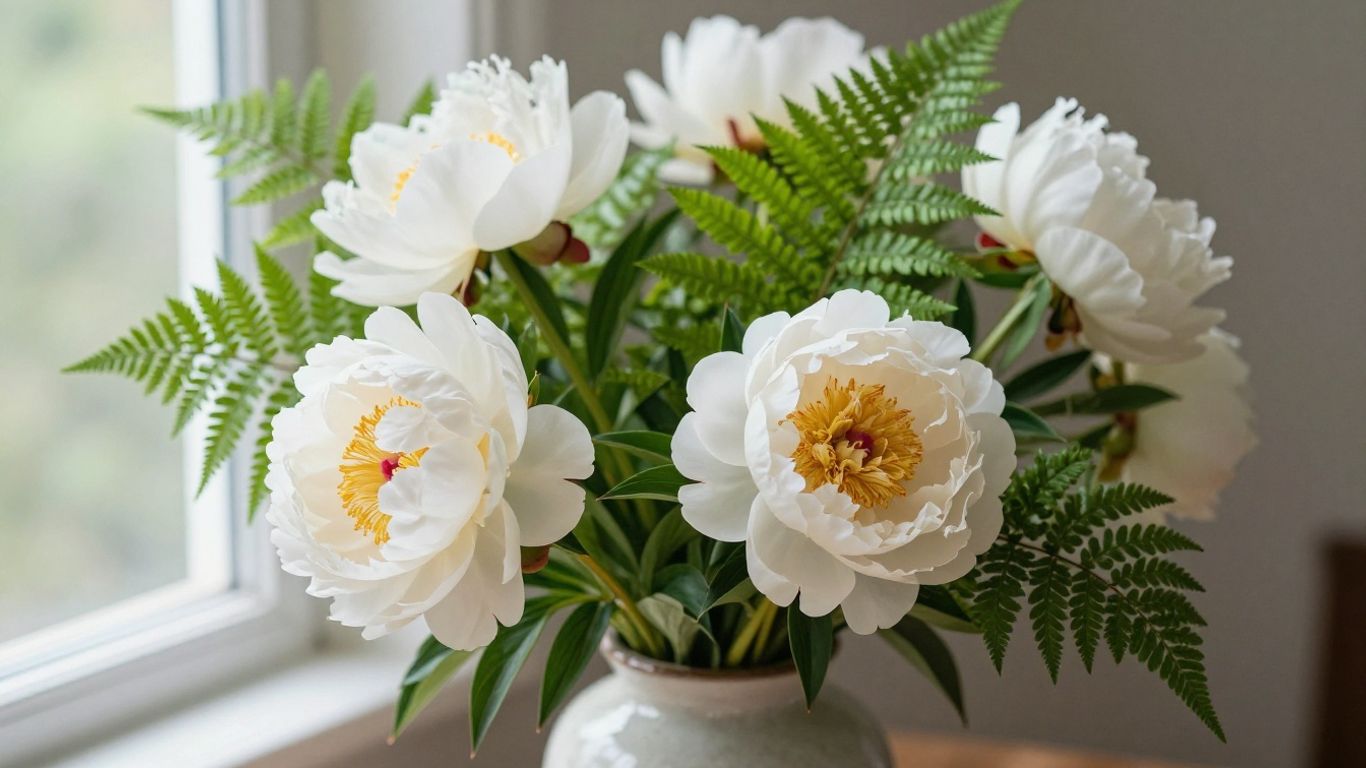
The advantages of locally sourced, seasonal blooms
Locally sourced flowers from iBuyFlowers offer superior longevity because they endure less transit time. These blooms are naturally adapted to the current climate, meaning they hold their color and form more reliably than imported alternatives that have spent days in boxes.
Managing floral expectations when out of season
It is vital to communicate with clients about the availability of specific flora to avoid disappointment. If a desired flower is not in season, offer alternatives that provide a similar texture or hue. Managing expectations early builds trust and ensures the finished installation remains truly beautiful and cohesive for the event timeline.
Eco-friendly sourcing and environmental footprint considerations
Eco-conscious design considers the entire lifecycle of the materials used in an arrangement. Reducing plastic wraps and utilizing oasis-free mechanics significantly lowers the ecological footprint of your floral arrangements while maintaining high-quality professional results.
Scaling installations for venue dimensions
Venue scale can be overwhelming, making it necessary to adapt your designs so they feel proportional. A design that works for a ballroom will likely look lost in a smaller breakout room if not scaled correctly.
Managing ceiling heights with vertical arrangements
Tall arrangements draw the eye upward, making a room feel expansive and grand. By utilizing dramatic, vertical structures, you make the most of the architecture. The following table tracks how centerpiece height influences room perception:
| Arrangement Height | Best Event Type | Spatial Effect |
|---|---|---|
| Short (10-12 in.) | Intimate Dinners | Encourages eye contact |
| Medium (18-24 in.) | Networking Mixers | Fills eye-level void |
| Tall (30+ in.) | Galas/Formal Halls | Increases room stature |
Balancing centerpiece sizes with table conversation
Centerpieces must never obstruct the view across a table. Guests should be able to make eye contact effortlessly. Always keep the bulk of the arrangement either well below eye level or high above it to promote comfort.
Maximizing open floor plans with statement pieces
In large, open floor plans, use oversized installations to define the area. These provide a sense of place. When designing these, leverage the expertise of iBuyFlowers to identify durable, large-scale greens that can withstand the logistical setup of a significant project.
Tactics for flower longevity and maintenance
Success in floral design is measured by the state of your arrangements at the end of the event. Professional prep is the difference between a wilting show and a lasting masterpiece.
Choosing hardy varieties for long-duration events
Selecting flowers with sturdy woody stems or waxy petals ensures your designs last throughout long, multi-day conferences. Avoid delicate varieties if the environment includes heat or high wind.
Pre-event hydration and professional preparation techniques
Processing flowers correctly at the start is a non-negotiable step for long-lasting results. This involve cutting stems at a 45-degree angle, removing leaves that would sit in water, and allowing consistent hydration time before arranging.
Managing climate control for delicate blossoms
Hot and cold spots in a venue can ruin even the freshest arrangement. Keep displays away from direct HVAC vents and sunlight to protect the integrity of the petals. If the environment is harsh, prioritize varieties that tolerate temperature swings.
Conclusion
Designing with flowers is about creating the right energy for your guests to enjoy. By balancing the art of aesthetics with the science of plant care and light, you ensure that every event is anchored by a cohesive, intentional visual experience that lingers in the minds of those who attended.
Frequently Asked Questions
How far in advance should I book floral services for a large event?
It is best to book your florist at least three to six months in advance, especially for high-demand seasons or large-scale corporate functions, to ensure availability and proper planning time.
Can I mix artificial and real flowers in the same arrangement?
While possible, mixing them requires careful attention to detail to ensure they complement each other, as real botanicals look more natural than synthetics in close-up settings.
What do I do if a flower variety I want is out of season?
Focus on the color palette of that flower rather than the specific variety itself; a professional florist can suggest long-lasting alternatives that meet your vision and fit your theme perfectly.
How can I make floral arrangements more eco-friendly?
Reduce the use of non-recyclable materials like floral foam, opt for local and seasonal blooms to minimize transit pollution, and ensure all green waste is composted after the gathering.
Why do some flowers wilt faster than others at indoor events?
Differences in stem structure and hydration needs mean varieties like hydrangeas wilt quickly in warm rooms, whereas woody-stemmed flowers offer much higher durability for long-duration setups.
Are there specific flowers that are better for scent-sensitive guests?
In environments where you want beautiful arrangements but need to be mindful of guests, stick to varieties with minimal or no fragrance, such as lilies that have had their pollen removed or non-fragrant rose species.
How do I prevent guest centerpieces from being distracting?
Ensure that all floral decor follows the rule of visibility—either keeping arrangements low enough for easy conversation across the table or high enough that they do not block line-of-sight.