
Key Takeaways
A just-because bouquet does not need a grand reason; it needs a little attention to the person receiving it.
- Notice the recipient’s colors, flowers, personality, and practical preferences.
- Choose an ordinary moment that could use more warmth.
- Make the bouquet personal with texture, a note, or a small extra.
- Check delivery details, timing, freshness, and household considerations.
- Let the gesture continue through display, preservation, or a quiet follow-up.
Why just because flowers make a meaningful surprise
Flowers attached to a birthday or anniversary are lovely, but flowers without a calendar reminder can feel especially intimate. They say that someone crossed your mind in the middle of an ordinary day. That small interruption to routine is often what makes the gesture memorable.
The emotional impact of an unexpected gift
An unexpected bouquet creates a moment of pause. The recipient has to stop, look, and take in something beautiful before returning to the day. Even a modest arrangement can change the feeling of a kitchen counter, office desk, or bedside table.
The best surprise is not necessarily the largest one. It is the one that feels considered: a color they love, a flower connected to a shared memory, or a delivery timed for a day when encouragement would genuinely help. The emotional value comes from being thoughtfully remembered, not from the price tag.
How spontaneous flowers strengthen relationships
Small, unprompted gestures help relationships feel cared for between major occasions. A partner may appreciate the reminder during a busy week, while a friend or relative may simply enjoy knowing that someone is thinking about them from a distance.
Spontaneity also keeps affection from becoming purely ceremonial. You are not sending flowers because a date requires it; you are sending them because the relationship matters today. For more inspiration around this kind of gesture, browse these just-because flower ideas and notice which suggestions sound natural for your recipient.
Choosing a gesture that feels personal rather than routine
Before ordering, ask yourself what you know about this person that a generic gift guide would not. Do they prefer cheerful colors or soft neutrals? Would they enjoy a vase-ready arrangement, a small plant, or flowers that can sit neatly beside a laptop?
A personal gesture can be simple. Mentioning a shared joke in the note, choosing blooms associated with a favorite season, or sending something compact for a small apartment can make an ordinary bouquet feel unmistakably theirs.
Choose flowers that match someone special
The right flowers begin with observation rather than symbolism charts. Think about the colors in their home, the flowers they photograph, and the kinds of arrangements they tend to pause beside in a shop. A bouquet should feel like it belongs in their life, not like it was selected for an imaginary recipient.
Consider their favorite colors and blooms
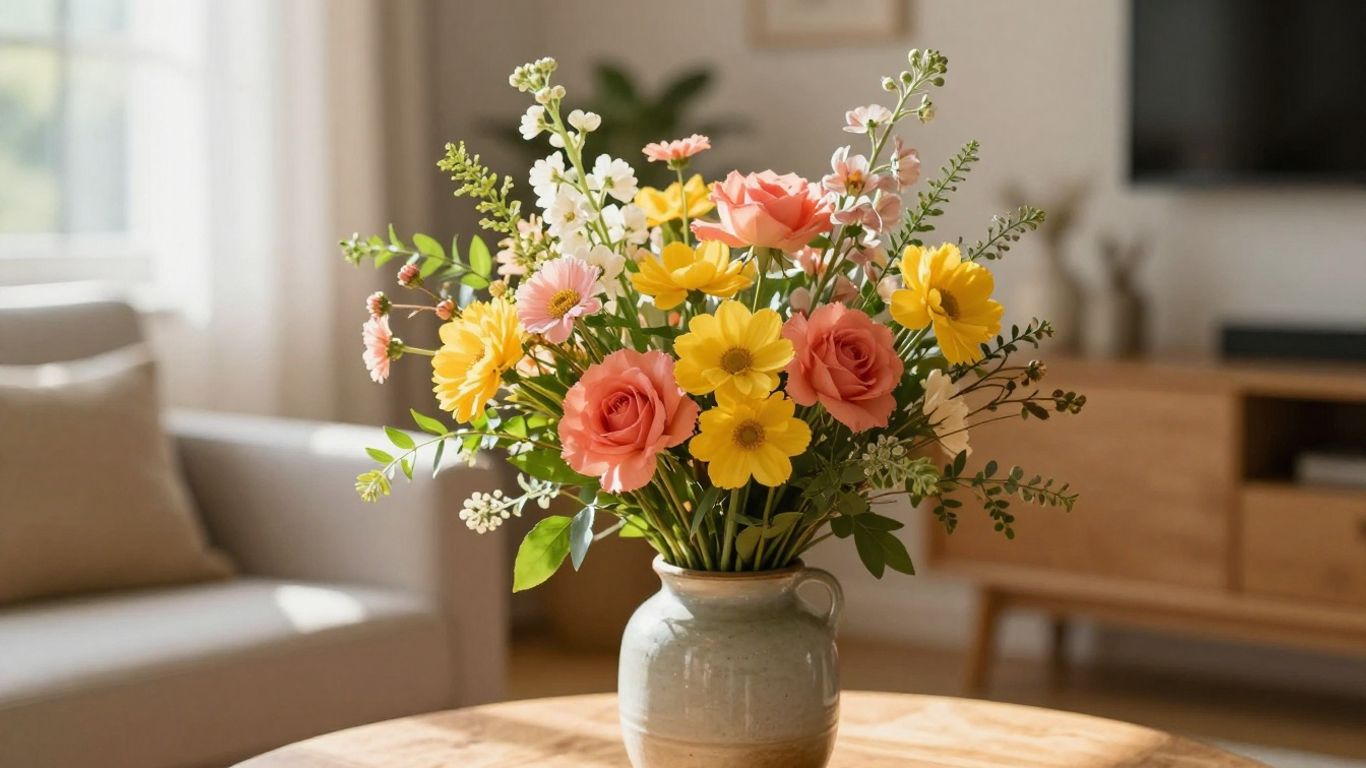
If you know their favorite flower, start there and build around it. If you do not, look for clues in clothing, décor, garden choices, or even the colors they use in everyday objects. A bouquet of warm yellows and oranges may suit someone who loves energy and sunlight, while pale pinks, creams, or greens may feel better for someone with a quieter style.
When their preferences are uncertain, a seasonal mixed bouquet is a forgiving choice. It offers variety without requiring you to guess one exact favorite, and the florist can often balance the colors so the arrangement still feels intentional.
Match the bouquet to their personality
Flowers can echo a person’s manner without trying to define them. Bright sunflowers and daisies may suit an outgoing friend, while tulips or a restrained arrangement of foliage may appeal to someone who likes clean, unfussy details. Someone romantic may enjoy layered textures and delicate blooms, whereas a practical recipient might prefer a small arrangement that is easy to place and care for.
This is also where the setting matters. A large, loose bouquet can be wonderful in a spacious home, but a compact vase arrangement may be more considerate for a dorm room, shared office, or crowded kitchen.
Select flowers with meaningful symbolism
Floral symbolism can add a quiet second message, though it should support your own words rather than replace them. Roses may suggest affection, lilies can feel graceful, and daisies often carry a bright, uncomplicated mood. The meaning changes with color and context, so choose symbolism that fits the relationship instead of relying on a strict dictionary.
A shared memory is usually more powerful than a traditional meaning. If lavender recalls a trip, or red tulips remind you of the first meal you cooked together, that association gives the bouquet a story only the two of you need to understand.
Account for allergies, pets, and scent preferences
Practical care is part of thoughtfulness. If the recipient has allergies, ask the florist about lower-pollen options or choose a plant-free, lightly scented arrangement. Homes with cats, dogs, or other pets also deserve attention because some popular flowers may not be suitable around animals.
When in doubt, choose a non-fragrant bouquet and tell the florist about the household. It is better to send something modest and comfortable than a dramatic arrangement that cannot safely stay in the room.
Pick the right occasion and delivery moment
“Just because” does not mean “at random” in the careless sense. The strongest timing often comes from noticing a small opening: a difficult Monday, the end of an exam, a new job, or a quiet day when a loved one has been feeling far away. The delivery should arrive as a welcome lift, not as another task to manage.
Celebrate everyday milestones and small wins
Not every achievement receives a party. Finishing a demanding project, getting through a first week at a new job, keeping up with physical therapy, or finally tackling a long-postponed task can all deserve recognition.
Mention the specific milestone in your note. “You made it through a tough week” feels more personal than “Congratulations,” especially when the recipient may not think their effort is worth celebrating.
Surprise someone during a stressful week
Flowers can offer support without demanding a conversation. If someone is caring for a family member, preparing for an important meeting, moving house, or simply running on too little sleep, a cheerful arrangement can say, “I see how much you are carrying.”
Keep the delivery easy to receive. A smaller bouquet, a flexible drop-off, or a note that does not require an immediate reply may be kinder than an elaborate surprise at a crowded workplace.
Send flowers for long-distance connections
Distance makes ordinary gestures more valuable. A bouquet sent to a parent, sibling, friend, or partner can create a shared moment even when you cannot sit together in the same room. Include a reference to something you would be doing if you were nearby—a morning coffee, a walk, or an evening catch-up.
A delivery service with local reach can make the gesture feel connected to the recipient’s own neighborhood. For example, locally grown flower arrangements can be a natural fit when regional sourcing and a local feel matter to the person receiving them.
Decide between same-day and scheduled delivery
Same-day delivery works well when the impulse is fresh or when someone needs encouragement immediately, provided the order is placed before the florist’s cutoff. Scheduled delivery is usually better for a known milestone, a workday when the recipient will be present, or a moment you want to coordinate carefully.
Use this quick comparison before placing the order:
| Delivery choice | Works best when | Watch for |
|---|---|---|
| Same-day | You want to respond to a difficult day | Cutoff times and limited selection |
| Scheduled | You know when the recipient will be home | Work travel or changed plans |
| Workplace delivery | The recipient enjoys public surprises | Office policies and reception hours |
| Home delivery | The gesture should feel private | Gate, building, and safe-place details |
The “best” timing is the one that makes receiving the flowers easy. A little planning can preserve the spontaneity while avoiding a missed delivery or an awkward interruption.
Create a bouquet that feels personal
A thoughtful arrangement is a composition of small choices. Color, shape, vessel, note, and extras should work together rather than compete for attention. You do not need professional floral skills; you only need a clear sense of the mood you want to create.
Combine complementary colors and textures
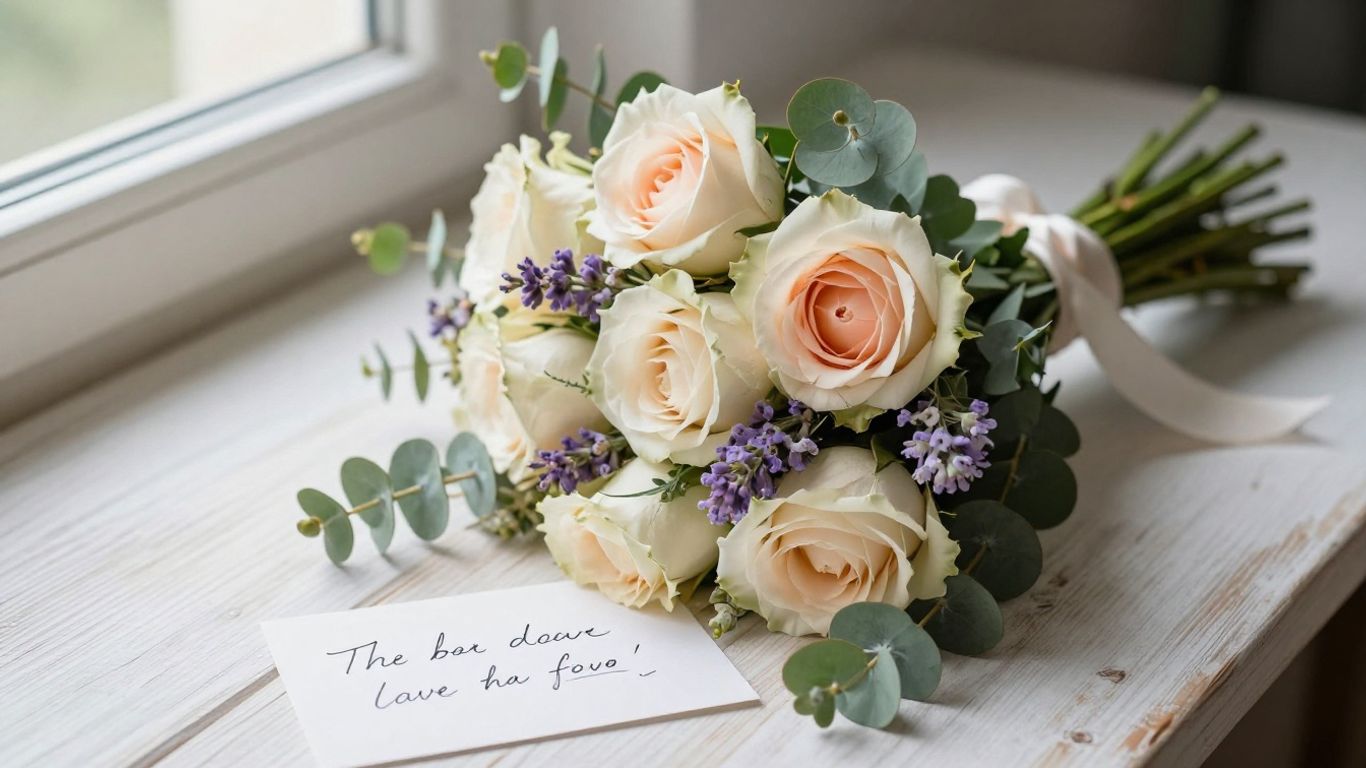
Start with one dominant color family, then add a contrasting accent and some greenery. Soft blooms paired with delicate foliage feel gentle, while sturdy stems, berries, grasses, or textured leaves can give a bouquet a more relaxed, natural look.
Texture is particularly useful when you are unsure about the recipient’s favorite flower. A mixed arrangement can still feel cohesive if the colors repeat and the shapes vary in a balanced way. Ask the florist for something airy, cheerful, elegant, or garden-like rather than naming flowers you do not recognize.
Add a handwritten note with a genuine message
The note is where the bouquet becomes unmistakably yours. Use the recipient’s name, refer to a real detail, and let the language sound like the way you normally speak. A few honest lines often land better than a polished quotation.
If handwriting is not practical, an order note can still be warm and specific. You might write, “I know this week has been a lot. No need to call—just wanted something bright waiting for you.” That gives the gift emotional context without making the recipient perform gratitude.
Include thoughtful extras such as treats or keepsakes
An extra should extend the thought behind the flowers, not turn the gesture into a gift basket competition. Choose one small addition that suits the person and the moment.
- A favorite chocolate or packet of tea for a quiet evening.
- A small vase if they may not have one ready.
- A photograph or tiny keepsake connected to a shared memory.
- A potted plant if they prefer something lasting.
After choosing an extra, consider whether it adds comfort or simply adds clutter. The bouquet and message should remain the center of the surprise, while the companion item quietly shows that you remembered another preference.
Choose a bouquet size that suits the relationship
Size communicates something, even when you do not mean it to. A petite arrangement can be perfect for a new relationship, a friend, or someone with limited space. A fuller bouquet may suit a milestone, a long-term partner, or a shared home where the flowers can become part of the room.
When the relationship is complicated or still developing, understated is often safer. You can be generous in feeling without sending a display that makes the recipient wonder what response is expected.
Write a heartfelt just-because message
A bouquet catches the eye, but the message explains why this particular person came to mind. It should make the gesture feel deliberate while keeping the easy warmth of an ordinary thought. If you need more prompts, these just-because message ideas can help you find a starting point without copying someone else’s voice.
Keep the note warm, specific, and natural
Try writing the note as if you were speaking to the recipient across a table. Start with the reason they came to mind, add one specific appreciation, and close without creating pressure. “I saw these and thought of your sunny kitchen” has more personality than a broad declaration of affection.
Read the message aloud before sending it. If it sounds like something you would never say, simplify it. The slight unevenness of natural language is often what makes a note feel sincere.
Use messages for a romantic partner
For a partner, refer to an everyday detail that belongs to the two of you. You might mention the way they make mornings easier, a song that reminds you of them, or how much you appreciate their patience during a difficult week.
Keep the tone aligned with the relationship. A playful line can work beautifully for one couple and feel wrong for another, so choose affection that sounds familiar rather than dramatic. The flowers do not need to carry the entire romantic message on their own.
Write thoughtful notes for friends and family
Friends and relatives often appreciate direct appreciation. Tell a sibling that you admire how dependable they are, thank a parent for a recent kindness, or remind a friend that their company makes hard days lighter.
For someone going through a difficult time, avoid forcing cheerfulness. “Thinking of you and sending a little color for the week” can be more comforting than insisting that everything will be fine. A gentle message leaves room for whatever they are feeling.
Avoid clichés and overly formal wording
Clichés are not always wrong, but they can make a personal gesture sound mass-produced. Replace broad phrases with one detail only you would know. Instead of “You are the best,” try naming the small thing they did that stayed with you.
There is no need to explain why flowers are arriving without an occasion. The absence of a formal reason is the point. A simple “No special reason—just glad you are in my life” may be all the card needs.
Order and deliver flowers successfully
Once the emotional choices are settled, the practical details become easier. Review the florist’s selection, delivery area, timing, and substitution policy before placing the order. A beautiful idea still needs an accurate address and a realistic plan for getting the flowers into the recipient’s hands.
Compare local florists, online shops, and flower subscriptions
A local florist may offer advice based on current inventory and can often adjust colors or flower types. An online shop may make browsing and scheduling convenient, while a subscription can suit someone who enjoys receiving flowers repeatedly rather than as a single surprise.
Compare the actual experience, not just the photograph. Look for information about arrangement size, vase inclusion, delivery areas, and how substitutions are handled. Flowers By Dick & Son, for instance, is presented as a source for surprise flower delivery in Akron, Ohio; that kind of local context can matter when choosing a service for a particular recipient.
Check freshness, delivery windows, and guarantees
Read the delivery window carefully. “Same day” may depend on order time, destination, weekday, or available inventory. Also check whether the arrangement arrives in water, how it is packaged, and what happens if weather or access problems delay the delivery.
Freshness policies are useful, but prevention matters too. Order from a service that clearly explains its process, then place the bouquet where the recipient can receive it promptly whenever possible.
Provide accurate recipient and delivery details
Double-check the recipient’s full name, phone number, apartment or suite number, building access instructions, and preferred delivery location. If a workplace is involved, include the department or reception details so the flowers do not become an anonymous parcel.
Add a discreet note for the driver when appropriate, but do not hide information that is necessary for a successful drop-off. A surprise should protect the recipient’s privacy while still making the route straightforward.
Make the surprise work when the recipient is away
If the person travels often, coordinate with someone they trust or choose a delivery date when they are likely to be home. A neighbor, doorman, or office colleague may be able to receive the bouquet, but only with the recipient’s comfort and building rules in mind.
You can also send a plant, dried arrangement, or scheduled delivery for their return. The gesture loses some spontaneity when postponed, but it gains value by arriving when it can actually be enjoyed.
Make the surprise memorable beyond delivery day
The first reaction is lovely, but the flowers can continue giving pleasure after the delivery photograph and thank-you message. Help the recipient enjoy the arrangement in a way that fits their home and habits. Sometimes the most lasting part of the gift is the small ritual it creates.
Encourage the recipient to enjoy and display the bouquet
If the flowers arrive without a vase, suggest a clean container that suits the stems, but do not turn care instructions into homework. A short note about trimming stems or changing water can be helpful, especially for someone who does not often receive bouquets.
Encourage them to place the flowers somewhere they will naturally see them. A desk, breakfast table, or entryway can keep the reminder present without making the bouquet feel like a display reserved for special guests.
Preserve meaningful flowers as a keepsake
When the bouquet begins to fade, the recipient may be able to press a few petals, dry selected stems, or save a flower in a small frame. Choose only the blooms that hold a memory; preserving everything can make the keepsake feel less intentional.
A photograph of the arrangement can also be enough. Pair it with the date and a short description of what was happening when you sent it, especially if the flowers marked a private milestone that might otherwise be forgotten.
Turn spontaneous gifting into a thoughtful tradition
A just-because bouquet should not become an obligation. Still, occasional surprises can become a gentle tradition between people who enjoy them. Perhaps flowers appear at the start of spring, after a demanding season, or on an unremarkable day when one person simply feels grateful.
Keep the details changing so the tradition stays alive. Alternate flowers with a small plant, a note, or a favorite treat, and let the timing remain flexible. The point is continuing attention, not meeting a schedule.
Follow up without taking away from the surprise
A light follow-up gives the recipient space to enjoy the gesture. Ask whether the flowers arrived safely or mention that you hope they add something bright to the room, but do not fish for a large reaction.
If they reply with a photograph or thank-you, receive it warmly. The best response is often simple: “I’m glad they made you smile.” That lets the moment belong to them as much as it belongs to you.
Conclusion
Sending just because flowers to surprise someone special is a small way to make an ordinary day feel noticed. Choose with the recipient in mind, time the delivery thoughtfully, add words that sound like you, and let practical care guide the details. The bouquet may last a week, but the feeling of being remembered can stay much longer.
Frequently Asked Questions
What are just-because flowers?
Just-because flowers are a bouquet sent without a formal occasion such as a birthday, anniversary, or holiday. They are meant to express affection, appreciation, encouragement, or simple remembrance.
What flowers are best for a just-because surprise?
The best flowers are those that suit the recipient’s taste, home, and practical needs. Favorite colors, seasonal mixed bouquets, and lightly scented arrangements are all good starting points when you are unsure.
Is it strange to send flowers without an occasion?
Not at all. The lack of a formal occasion is what makes the gesture feel spontaneous and personal. A short note can clarify that you are sending them simply because you were thinking of the recipient.
How much should a just-because bouquet cost?
There is no required amount. A small, well-chosen bouquet with a sincere note can feel more meaningful than an expensive arrangement that does not suit the person or their space.
What should I write on a just-because flower card?
Write something warm and specific, such as a detail you appreciate, a shared memory, or a simple explanation of why the person came to mind. Keep the wording natural and avoid creating pressure for a particular response.
When is the best time to deliver just-because flowers?
Choose a time when the recipient can receive and enjoy them, such as a day they will be home or a stressful week when encouragement would help. Scheduled delivery is useful when you know their routine; same-day delivery suits an immediate impulse.
How can I make flowers last longer?
Place the flowers in a clean container with fresh water, trim the stems as needed, and keep the arrangement away from direct heat or strong sunlight. Follow any care instructions supplied with the bouquet.