
Key Takeaways
Flowers can make an ordinary day feel memorable when they suit the moment and the person receiving them. Small, thoughtful choices often matter more than an elaborate display.
- Choose colors, scents, and varieties with the recipient in mind.
- Look for everyday moments worth marking, not only major occasions.
- Add a personal note or a detail connected to a shared memory.
- Keep flowers fresh with clean water and a suitable spot.
- Consider timing, allergies, and the recipient’s preferences before sending them.
Why flowers make everyday moments memorable
Flowers change the feeling of a room and can make an otherwise routine moment stand out. Their colors, scents, and textures invite someone to pause, even if only for a minute. Often, the memory comes less from the bouquet itself than from realizing that someone thought of you.
How color, fragrance, and texture shape a moment
A bouquet can feel lively, calm, or quietly elegant depending on its colors and textures. Soft hues and delicate petals may suit a peaceful evening, while saturated colors can bring energy to a kitchen table or desk. Color can influence the impression a room makes, though personal taste and cultural associations matter too; color theory in design offers a broader look at how those choices are understood.
When you are deciding what mood to create, it can help to compare a few simple qualities rather than search for a perfect symbolic meaning.
| Quality | Possible impression | A setting to consider |
|---|---|---|
| Bright color | Cheerful and lively | A kitchen or work desk |
| Soft color | Gentle and restful | A quiet evening at home |
| Fine texture | Light and delicate | A small bedside vase |
| Fragrance | Noticeable and intimate | A well-ventilated living space |
Use these as starting points, not rules. The recipient’s own preferences are a better guide than any fixed association, and a mix of shapes can make even a modest bunch feel considered.
The role of small gestures in strengthening relationships
A small gift can say, “I remembered,” without needing a grand occasion or a long explanation. Flowers may become part of the story of a visit, a difficult week, or a shared achievement because they mark a moment of attention. That kind of care is especially meaningful when the gesture reflects something you know about the person.
It does not have to be a full bouquet. A few stems picked up on the way to dinner, or a flower left on the counter before someone wakes, can feel warm and personal. The point is the thought behind the gesture, not its scale.
Why unexpected flowers can feel more personal than grand gifts
When flowers arrive without a calendar prompt, the surprise can make an ordinary day feel distinct. The recipient may remember the timing—the afternoon they needed a lift, or the unremarkable Tuesday that suddenly felt special—as much as the blooms. For a little inspiration, these just-because flower ideas show how a simple floral gesture can fit into everyday life.
A spontaneous gift feels most personal when it suits the recipient rather than the giver’s idea of what a bouquet should be. A small bunch in a favorite color may land better than an elaborate arrangement chosen without their tastes in mind.
Choose flowers that fit the occasion
The best flowers are not necessarily the rarest or most dramatic. Think first about the person, the setting, and the feeling you hope to create. A bouquet for a shared dinner may be different from one meant to brighten a workday, and that difference can be quite simple.
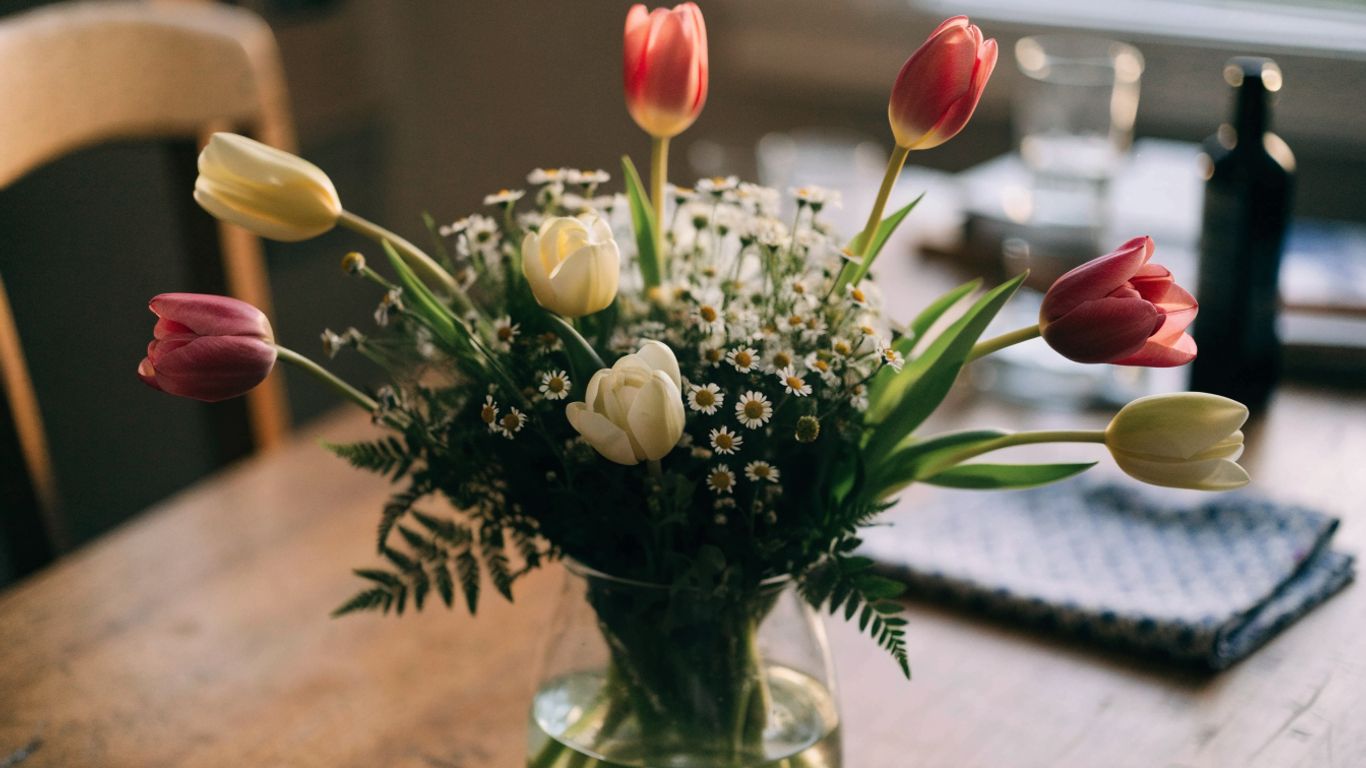
Match blooms to the mood you want to create
Start by picturing where the flowers will go and how the recipient uses that space. A compact arrangement may suit a desk or bedside table, while a broader bunch can hold its own on a dining table. If the room already has strong colors, a quieter palette may blend in more easily; if it feels plain, a brighter arrangement can bring a welcome lift.
There is no need to overthink the symbolism of every stem. A familiar flower in a color the recipient loves can feel more thoughtful than choosing a variety solely for what it is said to mean.
Consider seasonal flowers and what’s locally available
Seasonal choices can make it easier to find fresh-looking blooms that feel at home in the moment. What is available varies by region and time of year, so ask a florist what looks good locally rather than expecting a particular stem to be in stock. A flexible choice can also lead you to a combination you might not have considered.
If you are bringing flowers to a home, think about where they will sit and whether the arrangement needs to travel. Sturdy stems and a manageable size can make the whole gesture easier to enjoy.
Use favorite colors, scents, or meaningful varieties
A person’s favorite color, a flower they grew with a family member, or a scent they already enjoy can make the gift feel unmistakably theirs. If fragrance is a consideration, keep it subtle or choose low-scented blooms, especially for a shared or small space. Personal associations are often more useful than general flower meanings.
A few simple questions can help narrow the choice without turning it into a project:
- Which colors does the recipient wear or use at home?
- Do they enjoy noticeable fragrance, or prefer little to none?
- Would they like a loose, natural bunch or a tidy arrangement?
- Is there a particular flower connected to a memory you share?
Even one answer can point you toward a fitting choice. When you are unsure, a modest arrangement in a color they like is a thoughtful place to begin.
Find simple moments worth celebrating
Not every meaningful gesture needs a birthday or holiday to justify it. A new routine, a finished project, or a visit after a long stretch apart can all be reasons to pause and celebrate. Flowers offer a visible way to mark the moment without making it feel formal.
Mark a personal milestone or shared achievement
A new job, a completed course, or a move into a first home can deserve recognition even when no party is planned. Flowers can turn a quick congratulations into a small ritual: put them on the table, make tea, and take a moment to enjoy what has changed. Milestones can involve practical details too; for example, mortgage changes before closing explains why a home purchase may prompt additional review if the price or agreement changes.
If the milestone is a wedding, the flowers may be one part of a much larger plan. Reviewing Simple Oahu Wedding terms and responsibilities is a separate but useful example of how event details can matter alongside the celebratory moment.
Brighten a routine day at home or work
A bunch of flowers on a kitchen counter can make breakfast feel less hurried, while a small vase near a desk can add a bit of color to a familiar workday. Keep the gesture suited to the space: a compact arrangement is less likely to crowd a desk or interrupt a shared area. If the flowers are for someone who runs a local shop, they can brighten a customer-facing space too; broader local digital marketing strategies address the separate work of helping a local business be found online.
A short pause to notice the flowers may be all the occasion needs. The ordinary setting is part of what makes it memorable: the same room, seen with a little more care.
Make an ordinary visit or dinner feel special
Flowers can give a simple visit a gentle sense of occasion, whether you are meeting a friend for dinner or stopping by to see family. Choose a size that can be carried easily and placed without rearranging the room. You can also bring a small bunch for the host rather than arriving with something that needs extra attention.
The flowers need not become the center of the evening. Let them sit nearby as a quiet detail, while conversation and time together do the rest.
Make a flower gift feel personal
Personal touches help a flower gift feel connected to the recipient, rather than like a gesture chosen at random. A favorite color, an honest note, or a familiar container can carry more meaning than adding extra stems. These details are often easiest to choose when you think of a particular shared moment.
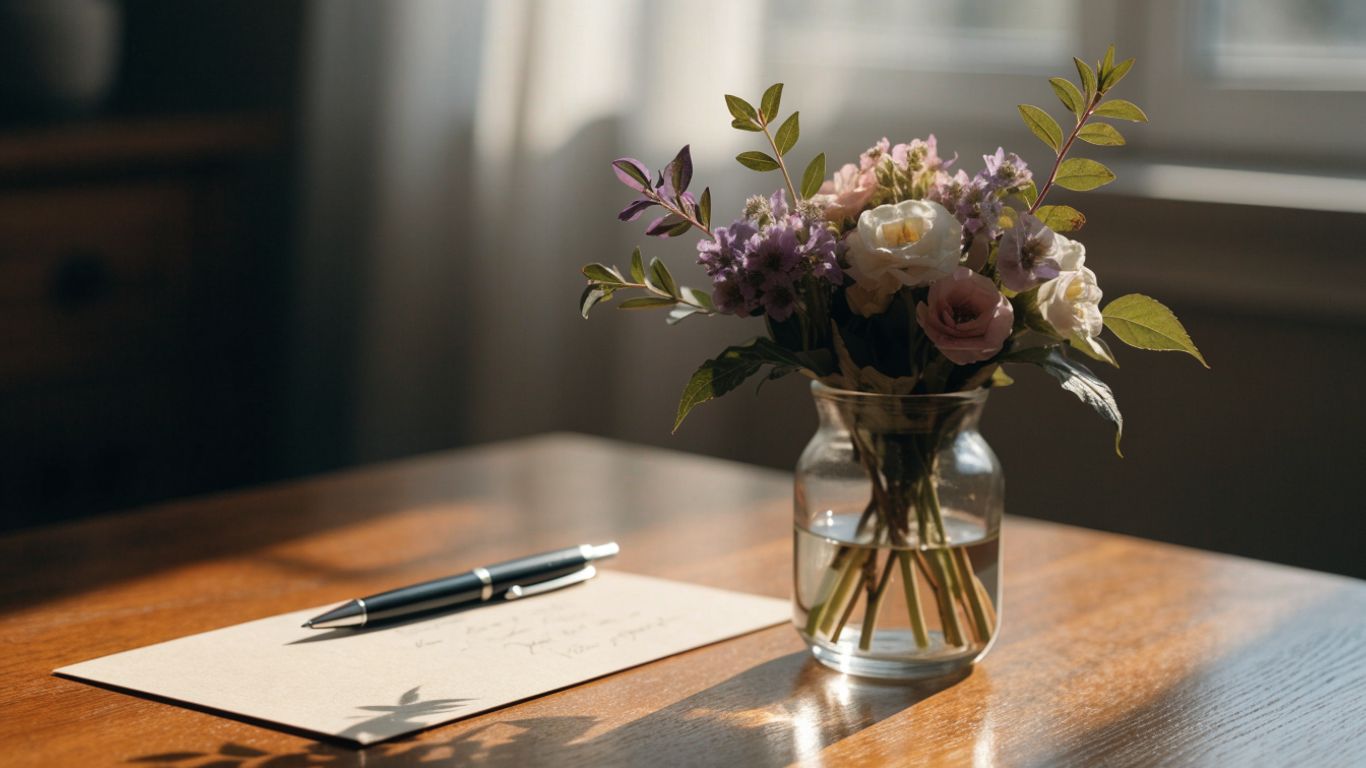
Add a note that explains why you chose the flowers
A note does not need to sound polished. One specific sentence—why you chose that color, what you appreciate about the person, or what you hope their day holds—can make the gift easier to remember. “I saw these and thought of the garden we visited” gives the flowers a story that belongs to the two of you.
Keep the message in your own voice. A simple, sincere line is often more moving than a phrase that feels borrowed.
Choose a container that suits the recipient’s style
A vase affects how easily the flowers fit into someone’s home. A plain glass vessel can suit many arrangements, while a more colorful or unusual container may work for someone whose shelves already show a strong personal style. Consider whether they have space for it and whether they would enjoy keeping it after the flowers fade.
If you are not sure what they like, a simple container is usually a safe choice. The arrangement should be easy to place and enjoy, not another item the recipient has to find room for.
Include a small detail tied to a shared memory
A memory can be part of the gift without adding anything elaborate. You might mention a flower from a trip, choose a color associated with a favorite place, or attach a photo from a day you both remember. If a QR code would make it easy to share a photo or playlist, dynamic QR code management describes a way to update a destination without reprinting the code.
That extra detail should feel natural, not like an assignment for the recipient. A brief note explaining the connection is enough to make the memory clear.
Create an arrangement that lasts
Fresh flowers are at their best when they receive a little care from the start. Check that the blooms look lively, prepare the stems before placing them in water, and choose a sensible spot for the vase. A few small habits can help you enjoy them for longer, though the lifespan will vary by flower and condition.
Select fresh blooms and check their condition
Look for stems that feel firm and leaves that appear fresh, without widespread browning or wilting. Blooms can be at different stages of opening, which gives the arrangement room to change over the next few days. If you are choosing flowers in person, check the whole bunch rather than judging it by the most open bloom alone.
Ask when the flowers were cut or delivered if you are unsure. A florist can also suggest which stems are likely to open further and how to care for them at home.
Prepare stems and water them properly
Before placing flowers in a vase, remove leaves that would sit below the waterline and trim the stem ends with clean tools. Use a clean container and fresh water, following any care instructions that come with the bouquet. These simple steps help keep the water and stems in better condition.
A short routine makes it easier to remember what to do as the days pass:
- Wash the vase before filling it.
- Remove leaves that would be submerged.
- Trim the stem ends before arranging the flowers.
- Refresh the water and remove fading blooms as needed.
After that first preparation, check the vase regularly and top it up or replace the water when it looks cloudy. Care needs can differ between varieties, so follow any specific advice you receive with the flowers.
Keep flowers away from heat, direct sun, and ripening fruit
A cool spot away from direct sunlight and heating vents is usually a better choice than a bright windowsill. Ripening fruit can also affect how quickly some flowers age, so leave a little distance between the vase and a fruit bowl. A room that feels comfortable to sit in is often a sensible place to start.
If the flowers seem to fade quickly, try moving them to a cooler location and changing the water. Small adjustments can help, though no arrangement stays fresh indefinitely.
Give flowers thoughtfully
A thoughtful flower gift considers the recipient’s day as well as the flowers themselves. Think about how they will receive the arrangement, whether it will be convenient to carry, and how much attention it needs once it arrives. The kindest gesture is the one that feels easy to welcome.
Decide between hand-delivery and flower delivery
Hand-delivery gives you a chance to share the moment, and it can be a good fit when you are already planning to visit. Delivery may be more practical when distance or timing makes an in-person visit difficult. Either option can feel personal if you choose a suitable arrangement and include a note in your own words.
For either route, consider how the flowers will travel and where they will be left. A large bouquet can be awkward to carry, while an unattended delivery may not suit a recipient who is away from home.
Consider timing, allergies, and the recipient’s schedule
A little forethought can keep the gift from creating an inconvenience. If the recipient has allergies or dislikes strong scents, choose accordingly and avoid assuming that every flower is welcome. It also helps to consider their schedule: a delivery at home may work better than flowers arriving during a busy workday.
When in doubt, ask someone close to them or choose a modest, low-fragrance option. The aim is to make the moment pleasant, not to add a new task to the recipient’s day.
Choose a gesture that feels sincere rather than extravagant
The value of a flower gift is not measured by its size or price. A small bunch chosen with care can feel more genuine than an elaborate display that does not suit the person. If the reason for giving is simple—gratitude, affection, or a wish to brighten the day—let the gesture stay simple too.
Sincerity shows in the details: a fitting choice, kind timing, and a message that sounds like you. That is often enough to make flowers that turn ordinary days into memories.
Conclusion
Flowers can make an ordinary day feel worth remembering when they arrive with a little thought behind them. Choose blooms that suit the person and the moment, add a detail that feels personal, and take care of the arrangement so the pleasure lasts. It does not need to be a grand occasion; sometimes a small gesture is exactly what makes the day stay with you.
Frequently Asked Questions
What flowers are best for an everyday surprise?
Choose flowers that suit the recipient’s taste, the space where they will go, and the amount of fragrance they enjoy. A small, seasonal bunch can be just as thoughtful as a larger arrangement.
Do flowers need a special occasion to feel meaningful?
No. A spontaneous gift can make a routine day feel distinct, especially when it reflects something you know about the person receiving it.
How can I make a flower gift feel more personal?
Include a short note explaining why you chose the flowers, or connect the colors or variety to a shared memory. A small, specific detail often makes the gesture feel considered.
How do I choose flowers for someone whose preferences I don’t know?
Keep the arrangement modest and choose a simple palette with little fragrance. If possible, ask someone who knows the recipient about allergies or favorite colors.
How can I help cut flowers last longer?
Use a clean vase and fresh water, remove leaves below the waterline, and trim the stem ends before arranging them. Keep the vase away from direct sun, heat, and ripening fruit.
Is it better to deliver flowers in person or send them?
It depends on the recipient’s schedule and your distance from them. Hand-delivery allows you to share the moment, while delivery can be convenient when a visit is not practical.
What should I write on a flower card?
Write a brief, genuine message that names why you chose the flowers or what you appreciate about the recipient. A sentence in your own voice is usually enough.