
Key Takeaways
Flowers can mark a new chapter with color, scent, and a meaning chosen for the person receiving them. Let the occasion and the recipient’s preferences guide the gesture.
- Daffodils, tulips, irises, lilies, and sunflowers are often associated with renewal, hope, or confidence.
- Flower meanings vary, so personal context matters more than a fixed symbolic rule.
- Match the arrangement’s scale, color, and style to the occasion and recipient.
- Check for allergies, pet safety, and seasonal availability before choosing blooms.
- Clean water, trimmed stems, and a cool spot help cut flowers last longer.
What flowers that celebrate new beginnings symbolize
Flowers have a natural way of making change feel tangible: a bud opens, a stem reaches toward the light, and a room takes on a different mood. Flowers that celebrate new beginnings can express hope, courage, or simple delight without requiring a grand speech. Their meanings aren’t fixed rules, though; the giver’s intention and the recipient’s own associations matter too.
Renewal, growth, and fresh starts
A flower opening after a quiet season makes an easy image for beginning again. Spring blooms often carry this feeling because they arrive when the landscape is changing, but the idea also applies to a new role, home, or personal decision at any time of year. A modest bunch can be enough to acknowledge that something is starting.
For a quick sense of how familiar blooms are commonly read, it helps to compare a few associations rather than assume every flower carries the same message.
| Flower | Common association | A fitting kind of fresh start |
|---|---|---|
| Daffodil | Renewal and optimism | A hopeful new chapter |
| Tulip | Fresh starts and opportunity | A new role or project |
| Iris | Hope and courage | A challenging transition |
| Sunflower | Confidence and warmth | A bold next step |
Treat these meanings as prompts, not prescriptions. The best choice is the one that feels sincere for this particular person and moment.
Hope, optimism, and resilience
A bright bouquet can feel like a small vote of confidence. Yellow and gold tones often read as sunny and upbeat, while blue and purple blooms may create a calmer, more reflective mood. Either can suit a fresh start: optimism doesn’t have to be loud, and support can be expressed gently.
A useful starting point is to think about what the recipient might need to hear. Are you celebrating an achievement, wishing them courage, or simply letting them know you’re there? The answer can guide both the flowers and the message that accompanies them.
How flower meanings vary across cultures
Flower symbolism shifts across regions, families, and personal experience. A bloom that feels celebratory to one person may carry a different association for someone else, and colors can also mean different things from one tradition to another. When the recipient’s background is important to the choice, a little consideration is better than relying on a universal flower dictionary.
Seasonal changes offer another lens: flowers’ natural rhythms help explain why blooms that appear after winter are so often connected with renewal. Still, the recipient’s own associations deserve the final say. If you’re unsure, choose a flower they already enjoy and let your card explain what the moment means to you.
Choosing symbolism that fits your message
Start with the thought you want to communicate, then choose flowers that support it. A cheerful bunch may suit a celebratory promotion; a softer, simpler arrangement may feel right when someone is making a difficult change. You can also combine meanings, using one standout bloom to carry the main idea and complementary flowers to shape the mood.
The goal isn’t to decode a hidden message perfectly. A clear, personal note can make your intention unmistakable, even if the flowers mean something slightly different to the person who receives them.
Flowers associated with new beginnings
Several familiar flowers are often chosen for moments of renewal, but none has to be treated as the only correct option. Consider the flower’s look, season, and practical fit alongside its traditional associations. A bouquet feels most thoughtful when its meaning and its recipient both have room in the choice.
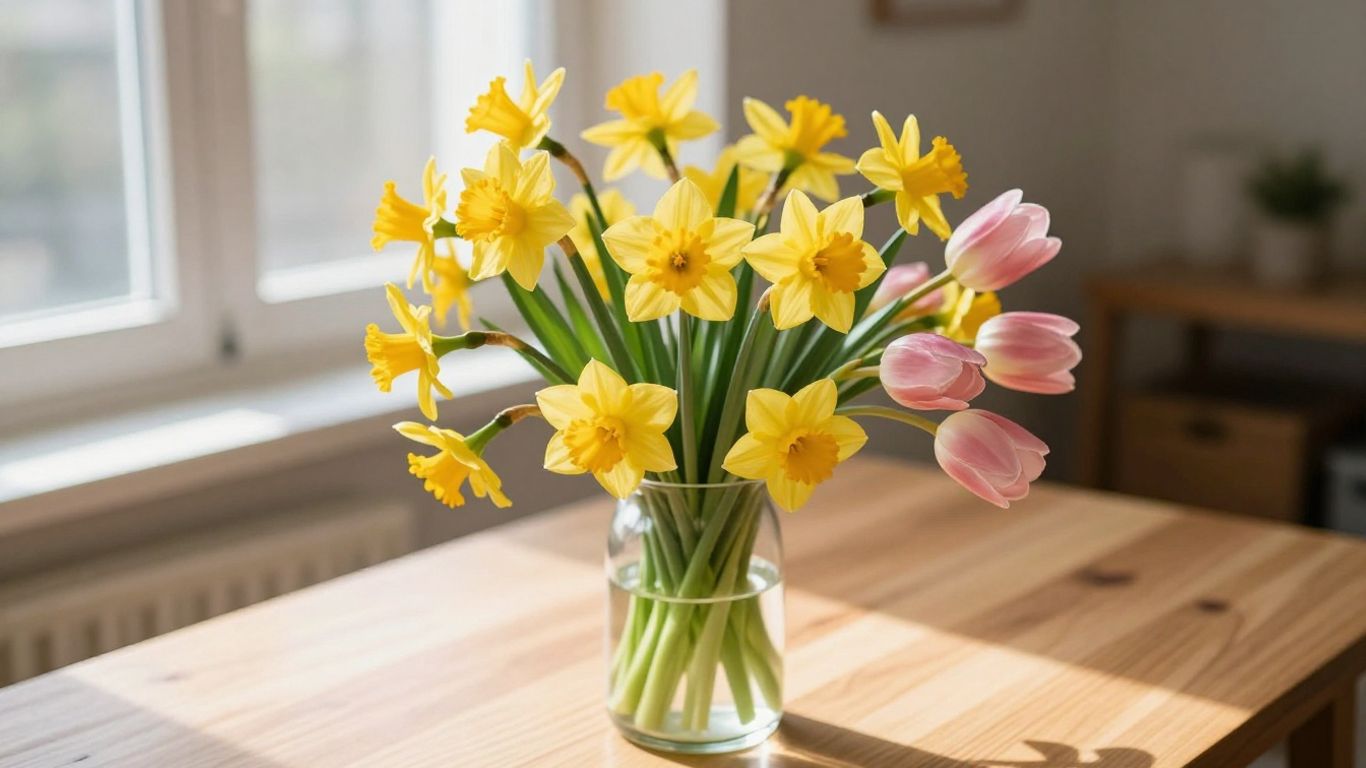
Daffodils for optimism and renewal
Daffodils are among the classic choices for a fresh start, in part because their bright blooms arrive around the turn toward spring. Their sunny color can bring an immediate note of cheer to a kitchen table or office desk. They work especially well when you want the gift to feel hopeful and straightforward.
If you’re giving daffodils, consider whether the recipient likes a lively, high-contrast look or prefers a quieter arrangement. A few stems can feel light and easy; a fuller bunch makes the celebration more prominent.
Tulips for fresh starts and new opportunities
Tulips have a clean, open shape that suits the idea of a new chapter. Their range of colors makes them adaptable, from gentle pastels for a subtle gesture to saturated shades for a more spirited congratulations. They can feel polished without being formal.
For a New Year gesture, tulips may sit alongside other seasonal choices; a guide to New Year flowers offers another way to think about blooms associated with hope and renewal. Whichever flowers you choose, let the recipient’s taste lead rather than following a seasonal theme too literally.
Irises for hope and courage
Irises are often associated with hope and courage, making them a thoughtful option when the next step feels uncertain as well as exciting. Their distinctive shape gives an arrangement an expressive quality, even when used sparingly. They can be a particularly kind choice for someone taking on a demanding challenge.
A few irises paired with softer, simpler flowers keep the bouquet from feeling overly dramatic. If you’re not sure whether the recipient enjoys bold forms, ask a florist for a more understated mix.
Lilies for transition and transformation
Lilies bring an elegant presence and are often used to mark transitions. Their scale and fragrance can be striking, so it’s worth considering where the bouquet will sit and whether strong scents suit the recipient. A smaller arrangement can carry the same sense of occasion without overwhelming a shared space.
Their associations can vary, as can people’s preferences for particular varieties. When the moment is personal, choose a type the recipient enjoys instead of relying on symbolism alone.
Sunflowers for confidence and looking ahead
Sunflowers are an upbeat choice for someone moving forward with energy. Their warm color and generous shape bring a casual, confident feeling to a bouquet, making them a natural fit for a graduation, a new venture, or a change worth celebrating. They can also make a simple arrangement feel substantial.
Because sunflowers have a distinctive look, they often work best as the focal point. Add smaller blooms or greenery only if they help the arrangement feel balanced rather than competing for attention.
Occasions for giving fresh-start flowers
A fresh start can be public and exciting, or quiet and deeply personal. Flowers make sense for both, as long as the gesture fits the scale of the moment and the relationship. Think about whether the recipient would enjoy a surprise delivery, a small bunch handed over in person, or something they can take home after a celebration.
Starting a new job or business
A new job is a natural moment for a bright, encouraging bouquet. Choose something easy to display if you’re sending it to a workplace, and keep the size practical for a desk or reception area. For someone opening a business, flowers can mark the milestone without turning the gesture into a grand production.
The note can be simple: say you’re proud of them and excited to see what comes next. Someone launching a local service may also be handling practical plans such as finding a plumber marketing agency; a bouquet can offer a warm personal pause amid all that work.
Moving into a new home
Flowers can make a new room feel welcoming before every box is unpacked. Choose a vase-friendly arrangement that won’t take up too much counter space, and consider whether the person will be home to receive it. For a useful housewarming gesture, pair a small bouquet with something that helps them settle into daily routines.
The transition may involve many practical details, from planning household energy to learning about solar panel connection. The flowers needn’t solve any of those logistics; they can simply bring a bit of color into the new space. If you know the recipient’s tastes, choose blooms that feel like they belong in their home.
Celebrating a graduation or milestone
Graduations, promotions, and other milestones call for flowers that match the recipient’s style as much as the achievement. A cheerful bouquet makes a celebratory statement, while a more restrained arrangement may suit someone who prefers understated gestures. If a milestone is shared with a partner, the flowers can accompany a personal gift or a meal.
For relationship milestones, some people enjoy exploring anniversary gift traditions as part of the celebration. Flowers can sit alongside those traditions or simply stand on their own as a note of affection and pride.
Supporting someone through a life change
Not every new beginning feels uncomplicated. A move, a career change, or a personal decision can bring relief and worry at the same time. In that situation, choose flowers that feel comforting rather than insistently celebratory, and let the message acknowledge the person’s experience without assuming how they feel.
A short note such as “I’m here for the next part, too” can be more meaningful than a grand statement. If you’re unsure whether flowers are welcome, ask first or choose a modest arrangement that’s easy to care for.
How to choose flowers for the recipient
The most meaningful bouquet isn’t necessarily the most expensive or elaborate one. Think about the person’s everyday preferences, the setting where the flowers will go, and what kind of attention they enjoy. A little practical thought can make a symbolic gift feel genuinely personal.
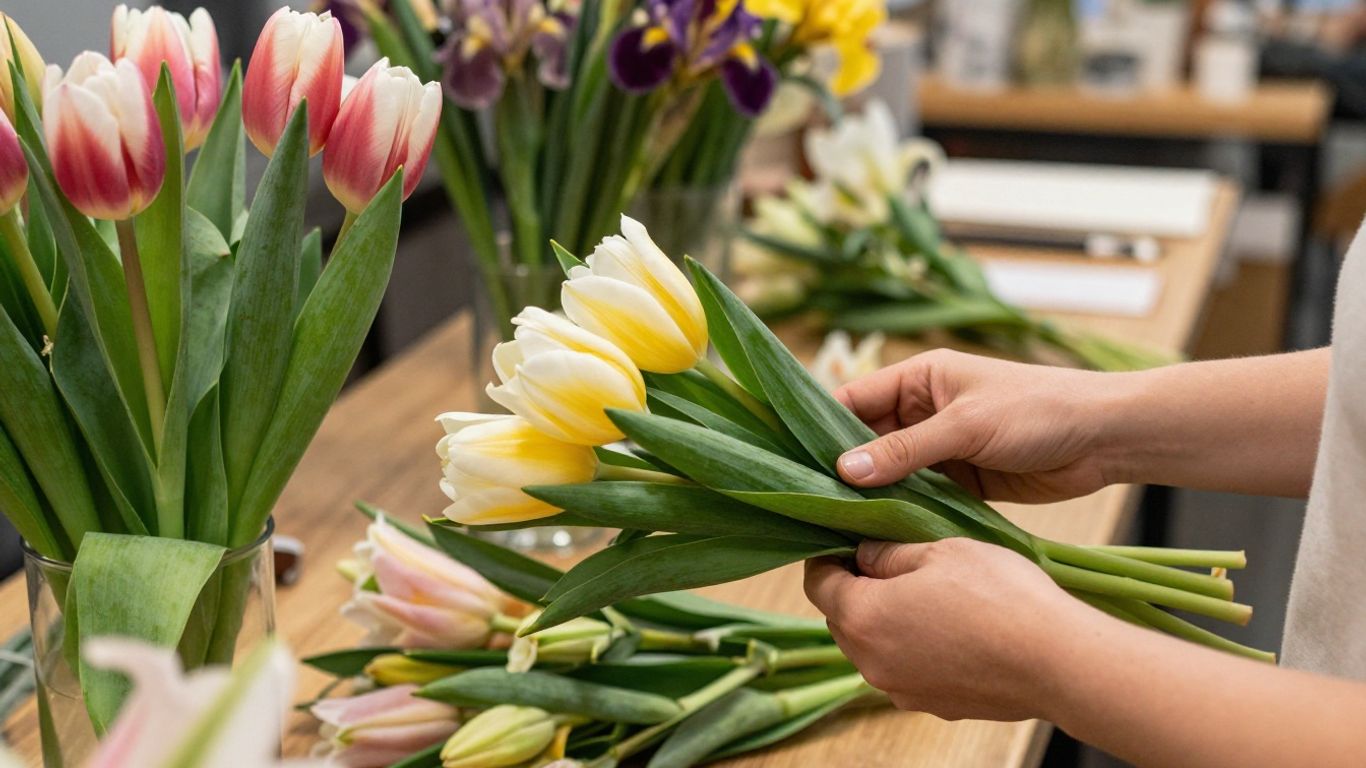
Match the flowers to their personality
Notice what the recipient likes: bold colors, gentle pastels, sculptural shapes, or a loose garden-like mix. If you’ve seen flowers in their home before, that can be a better clue than a list of traditional meanings. Someone who loves simple design may prefer a few well-chosen stems over a large, varied bouquet.
A gift should feel like it was chosen for them, not for an abstract idea of what a fresh start ought to look like. When you’re unsure, familiar favorites are a thoughtful place to begin.
Consider the occasion and relationship
The same flowers can feel different depending on who gives them and why. A close friend might choose something expressive and personal, while a workplace congratulations gift may call for a more neutral arrangement. Consider whether the flowers will be delivered publicly or received in private, too.
If the bouquet accompanies a handwritten message, Hallmark cards can be one option for finding a card suited to the occasion. Whatever card you use, your own words are what make the gesture specific to the recipient.
Choose blooms by season and availability
Seasonal flowers are often a practical and appealing starting point, though availability depends on location and the time of year. Ask a florist what looks fresh and what can be substituted if a particular bloom is unavailable. Flexibility can lead to a bouquet that feels more natural than insisting on one exact flower.
You can preserve the spirit of your choice even when the original bloom isn’t in stock. Keep the color, shape, or general mood in mind, then let the available flowers guide the final arrangement.
Account for allergies and pet safety
Before sending flowers, consider allergies, fragrance sensitivity, and whether the recipient has pets. Some blooms and plant parts can be unsafe for animals, and a strongly scented bouquet may not suit a small office or shared home. If you don’t know the details, choose a low-fragrance option and ask the florist about pet-aware choices.
This kind of check doesn’t need to make the gift feel complicated. It simply helps ensure that the bouquet is welcome and can be enjoyed comfortably.
How to design a meaningful arrangement
Good design gives the flowers a sense of intention without making the symbolism feel overly literal. Begin with one clear idea—joy, courage, or a calm beginning—and build the shape, colors, and scale around it. The arrangement should feel at home in the place where it will be received.
Pair symbolic blooms with complementary flowers
A focal flower can carry the central meaning, while supporting blooms add texture and soften the overall shape. For instance, a few prominent tulips can be surrounded by smaller seasonal flowers and greenery. The supporting elements don’t need a separate symbolic story; they simply help the bouquet feel complete.
Balance matters more than the number of flower types. Too many competing shapes can make a thoughtful idea feel busy, while a restrained mix often lets the chosen bloom stand out.
Use color to reinforce the message
Color sets the first impression. Yellow and orange can feel energetic, pink may suggest warmth, and white or softer shades can create a quieter mood; these are broad associations, not universal meanings. Use colors the recipient enjoys rather than choosing a palette only because it seems symbolically correct.
When choosing among colors, a simple sequence can keep the design focused:
- Start with one color the recipient likes.
- Add a complementary shade for depth.
- Use greenery or a neutral bloom to give the eye a rest.
- Keep the palette consistent with the occasion and setting.
This approach leaves room for personality while giving the arrangement a coherent look. If the recipient loves vivid color, there’s no need to soften it just because a fresh start is supposed to feel serene.
Select a bouquet style for the occasion
A compact hand-tied bouquet is easy to carry and suits a personal congratulations. A vase arrangement is convenient for a home or office, especially if the recipient may not have supplies ready. Larger designs can make a focal point at a gathering, but they may be less practical for someone with limited space.
Think about delivery as well as appearance. A bouquet that can be set down and enjoyed right away is often more welcome than one that requires extra arranging during a busy day.
Add a card with a personal note
A card gives the recipient a clear sense of why you chose the flowers. Mention the new chapter directly, then add a detail that belongs to your relationship: what you admire about them, a memory, or a wish for the weeks ahead. A few honest lines usually feel warmer than a polished but generic message.
If the flowers are part of a larger celebration, let the note complement rather than repeat the rest of the gift. Personal wording is what turns a lovely bouquet into a gesture that feels distinctly yours.
How to keep new-beginnings flowers fresh
A few simple habits can help cut flowers look their best for longer. Start with a clean vase and fresh water, then place the arrangement somewhere cool and comfortable. Different flowers have different needs, so follow any care instructions that come with the bouquet.
Prepare the vase and stems
Wash the vase before filling it so old residue doesn’t cloud the water. Remove leaves that would sit below the waterline, then trim the stems with a clean, sharp tool. A fresh angled cut helps expose more stem surface to the water.
Arrange the flowers loosely enough for air to move between them. If the bouquet comes with flower food, follow the packet directions rather than adding extra.
Change the water and trim stems regularly
Check the water every day or two and replace it when it looks cloudy. Rinse the vase before refilling, and trim a small amount from the stems if they begin to look dry at the ends. Clean water is a simple step that helps keep the arrangement looking fresh.
Remove fallen leaves as you notice them, too. A quick check takes little time and keeps the vase from becoming cluttered as the bouquet changes.
Place the bouquet away from heat and direct sunlight
A bright windowsill may look like the obvious spot, but strong sun and nearby heat can shorten the life of cut flowers. Choose a cool area away from radiators, appliances, and drafts. Keep the bouquet away from ripening fruit as well, since it can affect how quickly some flowers age.
The best place is often somewhere the recipient will see the flowers without exposing them to harsh conditions. A table with indirect light can be both practical and pleasant.
Know when to remove wilting blooms
As individual flowers fade, remove them so they don’t weigh down the rest of the arrangement. Some stems last longer than others, and the bouquet may look better if you adjust it as it changes. You can shorten the remaining stems and move them to a smaller vase when only a few blooms are left.
There’s no need to keep every stem until the last petal falls. Letting the arrangement evolve is part of enjoying it, too.
Conclusion
Flowers for a new beginning don’t need to follow a strict code: choose blooms that suit the recipient, fit the moment, and express what you genuinely want to say. With a thoughtful note and a little care, even a simple bouquet can make a fresh chapter feel warmly acknowledged.
Frequently Asked Questions
What flowers are best for a new beginning?
Daffodils, tulips, irises, lilies, and sunflowers are popular choices, often associated with renewal, hope, courage, transition, or confidence. The best option is one the recipient will enjoy.
What color flowers represent a fresh start?
Yellow and other bright shades can feel optimistic, while softer colors may create a calm, reflective mood. Color meanings vary, so consider the recipient’s preferences and the tone of the occasion.
Are daffodils a good gift for a new job?
They can be a cheerful choice for a new job because they’re commonly associated with renewal and optimism. A small, easy-to-display arrangement may suit a workplace best.
Can I give flowers to someone going through a difficult change?
Yes, if you think they would welcome them. Choose a gentle arrangement and include a note that offers support without assuming the person feels only excited or only hopeful.
Should I choose flowers by meaning or by season?
You can consider both, but season and availability help guide what looks fresh and can be sourced locally. If a particular bloom isn’t available, choose a similar color or shape instead.
What should I write on a card with fresh-start flowers?
Keep it personal and direct: congratulate the recipient, name what you admire, or offer a sincere wish for the next chapter. A few specific words are often more meaningful than a long formal message.
How can I make cut flowers last longer?
Use a clean vase, remove leaves below the waterline, trim stems, and replace cloudy water regularly. Keep the bouquet away from direct sun, heat, and drafts.