
Key Takeaways
A few well-chosen blooms can make a room feel more alive when the days are gray. Start with your season, space, and the kind of mood you want to create.
- Choose flowers and plants suited to your local season and growing conditions.
- Match blooms to the natural light and size of your space.
- Use color, shape, and a little greenery to shape the feeling of a display.
- Keep cut flowers fresh with clean vases, trimmed stems, and thoughtful placement.
- Check fragrance, pollen, and pet safety before bringing plants home.
Why flowers can brighten gloomy days
When daylight feels scarce, even a small patch of color can draw the eye and make a familiar room feel different. Flowers add varied shapes and textures, while the simple act of choosing or arranging them gives a gray afternoon a pleasant focus. The flowers that bring light to dark days need not be elaborate; a few stems in a favorite cup can be enough.
The visual lift of color and shape
A rounded bloom beside a few tall, airy stems creates contrast that a single flat color cannot. Bright petals catch attention, while leaves and branching forms give the eye somewhere to wander. Think of a display as a small composition: vary the heights and let a little space show between the flowers. That sense of easy visual contrast can make a modest bouquet feel considered without making it fussy.
How seasonal blooms bring a sense of change
Seasonal flowers offer a gentle marker of time. A winter-blooming plant on the sill or the first spring flowers from a market can make a home feel connected to what is happening outside, even when the weather is slow to change. For examples of plants that bloom after longer nights, explore these winter flowering plants; for a different seasonal reading break, you can also browse colorway stories, where color names connect with moods and moments.
Choosing flowers for comfort, celebration, or a simple refresh
The right arrangement depends less on a rulebook than on what you want the room to feel like. Soft colors and familiar fragrances may suit a quiet corner, while a lively mix can make a table feel ready for company. If you are choosing flowers as a small gesture, consider the recipient’s space and preferences; a simple, thoughtful gift often feels more personal than a grand arrangement.
Pick flowers suited to the season
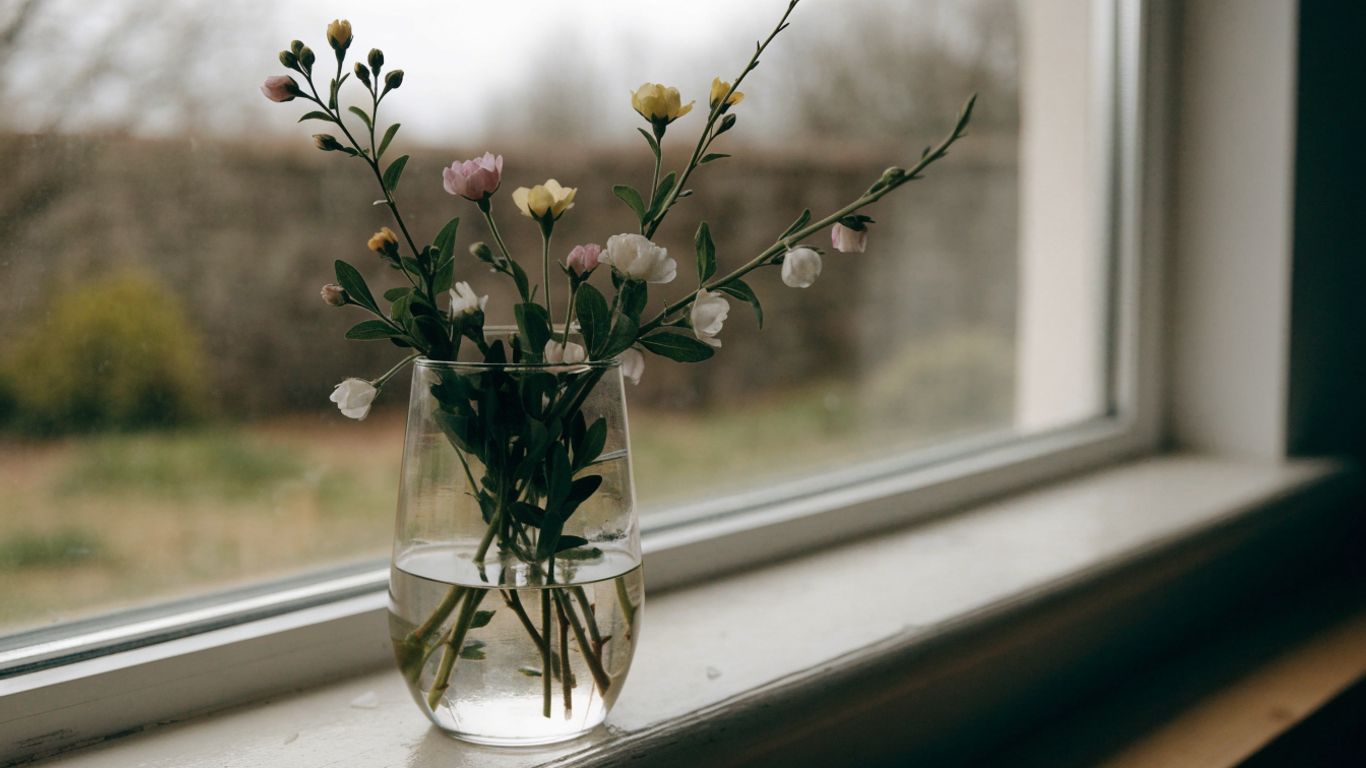
What is blooming locally will vary with climate, weather, and the time of year. A flower that thrives outdoors in one region may need the shelter of a bright indoor spot elsewhere, so treat seasonal suggestions as starting points rather than guarantees. The table below offers a few familiar possibilities to help narrow the search.
Winter-blooming flowers for indoor color
In colder months, flowering houseplants can bring color indoors when garden beds are resting. African violets, cyclamen, and Christmas cactus are familiar options to look for at a local nursery, though each has its own preferences for light and care. For more ideas, browse these winter houseplants, or read about cold-season garden blooms if you are planning for an outdoor bed in a suitable climate.
Early spring blooms that signal brighter days
Early spring flowers make a lovely bridge between winter and the fuller garden season. Crocuses, daffodils, and hellebores are among the blooms gardeners may encounter, depending on local conditions and the particular variety. A quick comparison can help you decide whether to bring color inside or plan a spot outdoors.
| Flower or display | Where to enjoy it | A practical note |
|---|---|---|
| Crocuses | Garden bed or pot | Check whether the variety suits your climate. |
| Daffodils | Outdoor bed or cut display | Choose a spot that fits their growing needs. |
| Hellebores | Garden or cut stems | Local growing conditions matter. |
| Seasonal potted blooms | Indoors | Follow the plant’s care label. |
Use the table as a prompt for questions at a garden center rather than a planting calendar. Local timing can shift, so ask what is blooming well nearby and what will suit your own space.
Cut flowers that are easy to find year-round
A florist or grocery store may have a useful mix of familiar cut flowers in any season, although the selection changes. Roses, carnations, chrysanthemums, and alstroemeria are common choices to look for, and a mixed bunch can offer a range of shapes without requiring a precise plan. Choose stems with sturdy-looking leaves and petals that are not already badly bruised, then trim and place them at home.
Check local growing conditions before planting outdoors
Before planting, consider your area’s usual temperatures, the light in the intended spot, and whether the soil drains well. A local nursery or extension service can help you match flowers to the conditions you actually have, rather than an idealized garden photo. For broader ideas about Northwest garden interest, remember that regional recommendations may not transfer directly to another climate.
Find the right flowers for your space
A flower that looks perfect in a shop may not be right for the place you have in mind. Think about light, available surface area, and the people or animals who share your home before making a choice. A little planning makes it easier to enjoy the display instead of constantly moving it around.
Match plants to available natural light
Notice how much daylight reaches the intended spot over the course of the day, and whether it is direct or filtered. A bright windowsill may suit one plant, while another may prefer a less intense position; care labels can help you compare. If a room is dim, this guide to plants for low-light rooms offers ideas, though flowering plants still need conditions that meet their particular needs.
Choose blooms for windowsills, tables, or garden beds
A narrow sill calls for a compact pot, while a dining table can hold a low arrangement that leaves conversation and sightlines clear. Garden beds give you more room to layer heights, but they call for choices suited to the site and season. If your household routine is already full, pairing a plant with an easy spot to check on it can make care less of a chore; for another kind of everyday planning, see these family snack ideas.
Consider fragrance, pollen, and household sensitivities
Fragrance can be part of a flower’s appeal, but a strongly scented bouquet may not suit every room or person. If anyone in the household is sensitive, consider less fragrant options, keep displays in a shared area with good airflow, or choose greenery instead. A small, low-scent arrangement can still feel generous and bright.
Make room for pets by checking plant safety
Before bringing a plant or bouquet home, identify the specific varieties and check reliable pet-safety guidance. Do not assume that a familiar-looking flower is harmless to cats or dogs, and keep unknown plants out of reach until you have checked. When in doubt, ask a veterinarian for advice and choose a safer decorative alternative.
Use color to set the mood
Color changes how a display feels, especially when the rest of the room is quiet or neutral. You do not need a complicated palette: one main hue, a supporting color, and some greenery can be enough. Let the room’s existing colors guide you, then choose flowers that add a little contrast or echo what is already there.
Warm hues for a sunny, energetic feel
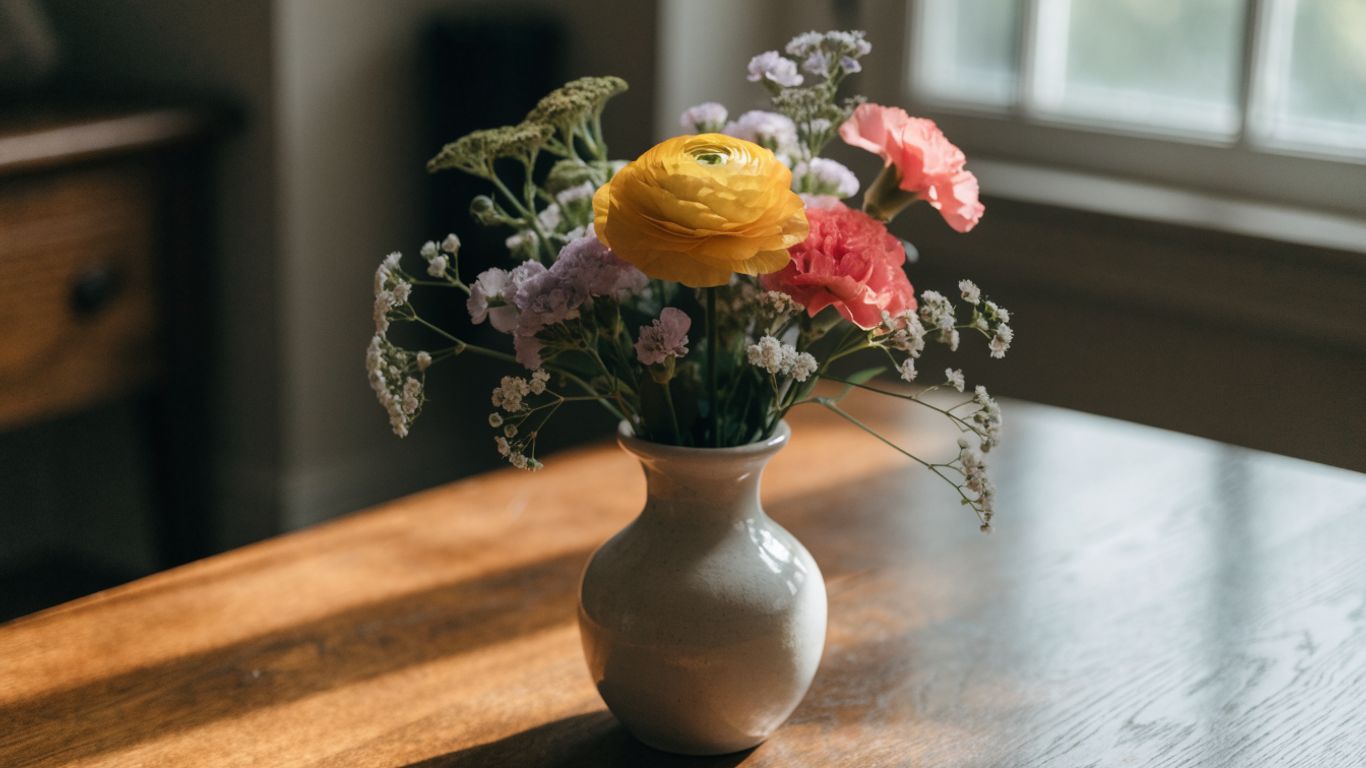
Yellow, orange, coral, and warm pink can bring a lively note to a dim room. A small group of warm-toned stems on a kitchen counter can feel cheerful without taking over the space. If the colors remind you of a team or favorite occasion, that association can add a personal touch; a separate look at gold market analysis is for readers curious about another subject altogether.
Cool tones for a calm, restful display
Lavender, blue, and softer pinks tend to make a display feel gentler, especially when paired with simple foliage. These colors can suit a bedside table or reading nook where you want the flowers to be present but not demanding. Choose a few shades that sit comfortably together, and keep the container understated if the blooms have intricate petals.
White flowers to brighten dim corners
White blooms can stand out against dark furniture or a shadowed wall, particularly when they catch available daylight. Pairing them with fresh green leaves keeps the display from feeling stark. Even a small vase can make a dim corner feel more noticed, though it is still worth checking that a living plant receives enough light to thrive.
Combine colors without making an arrangement feel busy
A simple palette is often easier to live with than a jumble of unrelated shades. Try choosing one dominant color, then adding a smaller amount of a neighboring or contrasting tone. People who enjoy building a tidy routine may also like these daily skin habits; for flowers, the same idea of keeping things simple can make a display easier to appreciate.
Help blooms last longer
Cut flowers last best when their basic needs are met from the start. Clean water, a suitable location, and a little attention every few days can help a bouquet stay attractive longer, though the lifespan depends on the flower and its condition. Houseplants have different needs, so follow their care instructions rather than treating every bloom the same way.
Prepare vases and trim stems correctly
Start with a clean vase and fresh water, and remove leaves that would sit below the waterline. Trim the stems with a clean tool before arranging them; a fresh cut helps the stems take up water. If a flower comes with care instructions or flower food, follow the directions on the packet instead of guessing at the amount.
Keep cut flowers away from heat and ripening fruit
Direct heat, strong sun, and warm appliances can dry or stress a bouquet, so place it somewhere cooler and out of harsh light. Ripening fruit releases ethylene, which can speed up aging in some flowers, so keep a vase away from a fruit bowl when possible. Moving a bouquet just a little can make a noticeable difference to its surroundings.
Water blooming houseplants according to their needs
Potted flowering plants do not all want the same watering schedule. Check the care label and feel the soil as appropriate for that plant, rather than watering by the calendar alone. The goal is to meet the plant’s needs without leaving it sitting in excess water; if you are uncertain, ask a local grower for advice about that specific variety.
Watch for signs of stress, pests, or fading petals
A few minutes of attention can help you notice when a plant is struggling. Look over leaves and petals as you refresh the display, and remove spent blooms if the plant’s care guidance recommends it. A fading flower may simply have reached the end of its natural display, while persistent changes to leaves or stems may call for a closer look at water, light, or pests.
Create simple displays for dark days
An arrangement does not need a florist’s tools or a large bunch to feel special. A few stems with different shapes, a little greenery, and a container you already own can make a quiet corner feel cared for. You can also take a quick photo of the finished display and share it with someone who might enjoy the color; for broader social media publishing, there are separate tools and ideas to explore.
Arrange a cheerful bouquet with flowers of varied heights
Begin with the tallest stems, then add shorter flowers around them so the outline feels natural rather than perfectly even. Turn the vase as you work, and step back now and then to see whether one side feels too crowded. A few simple steps can help the flowers sit comfortably together:
- Place the tallest stems first to establish the overall height.
- Add the fuller blooms where the arrangement needs visual weight.
- Tuck smaller flowers into open spaces without packing them tightly.
- Turn the vase and adjust any stems that feel out of balance.
Then leave a little breathing room between blooms and trim any stems that droop awkwardly. The finished bouquet should look relaxed from more than one side, not packed into a stiff shape.
Pair blooms with greenery and seasonal branches
Leaves and slender branches add texture and help connect flowers of different shapes. A few stems of greenery can soften the edge of a vase, while a bare seasonal branch gives a display height without adding more color. Keep the mix restrained so the flowers still have room to be seen.
Choose containers that complement the flowers
A container can be part of the arrangement without becoming its main attraction. A clear glass vase suits stems you want to see, while a simple ceramic vessel can add color or texture beneath the blooms. Make sure the opening supports the flowers and the base feels stable, especially if the display will sit somewhere busy.
Share small arrangements as thoughtful gifts
A small bunch can be a warm gesture for a friend, neighbor, or host. Choose flowers that are easy for the recipient to place, and consider whether fragrance, pets, or limited counter space might affect what suits their home. A note or simple container can make even a modest bunch feel personal.
Conclusion
Flowers cannot change the weather, but they can give a room a welcome point of color and care while the days are dark. Start with what suits your season and space, then keep the arrangement simple enough to enjoy and easy enough to tend.
Frequently Asked Questions
What flowers are good for brightening a home in winter?
Flowering houseplants such as African violets, cyclamen, and Christmas cactus may offer indoor color, depending on availability and the conditions you can provide. Check care needs before choosing one.
Can flowers make a room feel brighter?
Colorful blooms and pale flowers can catch the eye and stand out against a dim background. Placement near available natural light can help a display feel more visible.
Which flowers are easiest to find throughout the year?
Selection varies by shop and season, but roses, carnations, chrysanthemums, and alstroemeria are commonly available cut flowers. Look for fresh-looking stems and petals when you shop.
How do I choose flowers for a low-light room?
First distinguish a dim room from a bright window that receives filtered light, then check what conditions a particular plant needs. A cut arrangement may be a simpler choice where a living plant would not get enough light.
How can I help cut flowers last longer?
Use a clean vase, refresh the water, trim stems, and keep the arrangement away from strong heat and ripening fruit. Follow any care instructions that come with the flowers.
Are all flowers safe to keep around pets?
No. Identify each plant or flower and check reliable pet-safety guidance before bringing it home. Ask a veterinarian if you are unsure, and keep unknown plants out of reach in the meantime.
What is a simple way to arrange flowers at home?
Choose a few stems with varied heights, place the tallest first, and add fuller blooms and greenery where the arrangement needs balance. Turn the vase as you work and leave some space between flowers.