
Key Takeaways
Flowers cannot erase heartbreak, but they can offer a small, tangible expression of care while someone finds their footing again.
- Choose colors and blooms that feel comforting rather than intensely romantic.
- Consider the recipient’s personality, sensitivities, and current emotional capacity.
- A self-gift can turn Valentine’s Day into a quiet act of self-respect.
- Pair flowers with simple care, such as tea, journaling, rest, or supportive company.
- Respect boundaries and remember that healing has no fixed schedule.
Why flowers can support broken-heart healing on Valentine’s Day
Valentine’s Day can make absence feel louder, especially after a breakup or the end of a meaningful relationship. A bouquet does not need to carry a grand message; it can simply bring color, fragrance, and a little kindness into a difficult day. For anyone searching for valentines flowers for a broken heart healing, the most helpful approach is gentle rather than dramatic. The gesture should make room for whatever the person is feeling.
The emotional comfort of a thoughtful bouquet
Receiving flowers can create a brief pause in an otherwise heavy day. Arranging them in water, noticing their shape, or watching them open gives attention somewhere safe to rest. The comfort often comes less from the flowers themselves than from the care behind the choice. A thoughtful bouquet says, “You are not forgotten,” without demanding that the recipient feel cheerful.
A supportive gift can also be entirely non-romantic. Someone who loves books might appreciate browsing Valentine’s gifts for a librarian for ideas beyond a conventional red-rose arrangement, especially if a literary, practical, or cozy present feels more like them.
How color, scent, and nature influence mood
Color and scent can affect the atmosphere of a room, though their emotional effect is personal rather than guaranteed. Soft whites may feel quiet, while yellow or pink can add warmth without suggesting romantic intensity. Fragrance deserves care: strong scents may be unpleasant for someone grieving, sensitive to perfume, or simply in need of a calmer environment.
Natural objects can also encourage a gentle change of focus. A vase on a kitchen table or bedside stand becomes a small reminder that the day is continuing, even when emotions are moving slowly. That is a modest form of comfort, not a promise of instant recovery.
When flowers feel supportive instead of overwhelming
Flowers feel supportive when they match the recipient’s capacity to receive them. A huge, elaborate arrangement may be beautiful but difficult to care for, emotionally loaded, or too conspicuous. A smaller bouquet, a single stem, or a plant may feel easier to welcome.
Before sending anything, consider whether the person enjoys flowers, has allergies, lives with pets, or has asked for space. If you are unsure, asking a trusted mutual friend can prevent an otherwise kind gesture from becoming another demand on their attention.
Setting realistic expectations for emotional healing
A bouquet can mark a moment of tenderness, but it cannot resolve grief, explain what happened, or make someone ready to date again. Heartbreak tends to come in waves, and a person may feel steadier one morning and raw again that evening. That unevenness is normal and does not mean the gesture failed.
A wider perspective on self-kindness can help. Resources about healing after a broken heart may offer another gentle way to think about Valentine’s Day, but flowers should remain one small support among many, not the entire plan for recovery.
How to choose Valentine’s flowers for a broken heart
Choosing flowers after heartbreak is mainly an exercise in listening. Think about what the person likes, what they can manage, and what message the arrangement will quietly send. The familiar language of flowers can be useful, but personal associations matter more than a universal dictionary. When in doubt, choose beauty without heavy symbolism.
Flowers that symbolize comfort, renewal, and strength
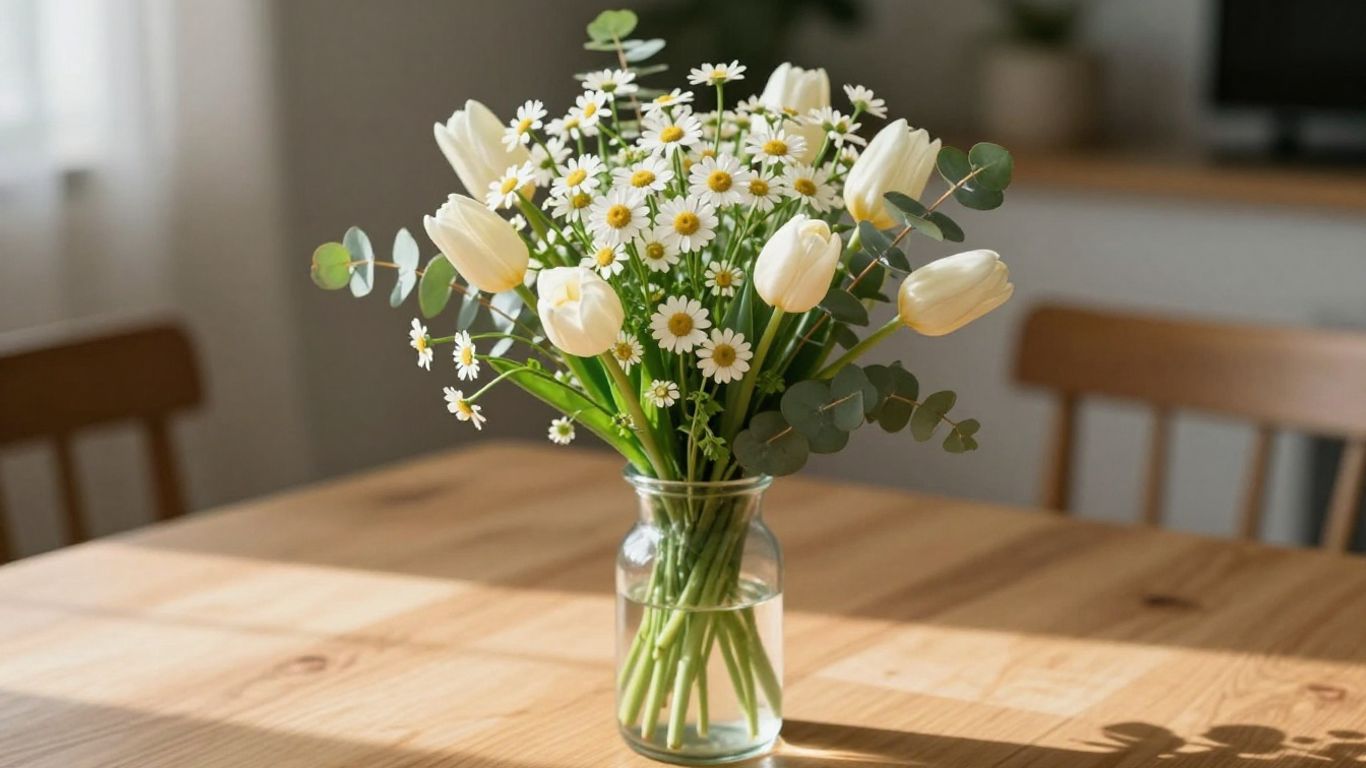
Blooms associated with calm, renewal, or friendship often work well for emotional recovery. White flowers can suggest peace, green foliage can bring a sense of fresh growth, and sturdy seasonal stems may communicate resilience without turning the bouquet into a lesson. The best choice is one that feels natural for the relationship.
Avoid treating symbolism as fixed. A lily may remind one person of peace and another of a funeral; a rose may feel like friendship in one context and an unwanted romantic signal in another. Let the recipient’s history guide the choice.
When to choose roses, lilies, tulips, or wildflowers
Roses are not limited to romance, but red roses usually carry a strong romantic charge. Pale roses, tulips, lilies, and wildflowers can be softer options when their colors and forms suit the recipient. Wildflowers often feel relaxed and unceremonious, while tulips can bring a clean, hopeful look.
The following comparison can make the decision easier without pretending that any flower has only one meaning:
| Flower choice | Feeling it may convey | Consider before choosing |
|---|---|---|
| Roses | Care, admiration, or romance | Avoid deep red if romance could confuse the message |
| Lilies | Peace, grace, or reflection | Check for strong fragrance and pet safety |
| Tulips | Freshness, warmth, and optimism | Choose gentle shades for a quieter tone |
| Wildflowers | Ease, friendship, and natural beauty | Confirm the recipient likes informal arrangements |
Use the table as a starting point, then return to what the person actually enjoys. A favorite flower with no traditional symbolism may be more comforting than a supposedly meaningful bloom they dislike.
Selecting blooms based on the recipient’s personality
A private person may prefer a compact vase arrangement, while someone social might enjoy a bright mix that enlivens a shared room. Consider whether they like orderly shapes, unusual colors, fragrant stems, or flowers that look slightly untamed. Personal details make the gift feel attentive rather than generic.
If the recipient is a devoted sneaker enthusiast, even a casual reference to Nike Furyosa Dama may help you notice their preference for bold color and texture, though the flowers themselves should still be chosen from what they genuinely like. The point is to observe their taste, not to force a theme.
Fresh flowers, dried arrangements, and low-maintenance plants
Fresh flowers offer immediate color and a short, natural cycle, but they require trimming and water changes. Dried arrangements last longer and may suit someone who does not want frequent upkeep, although they can feel more nostalgic or emotionally weighty. A low-maintenance plant offers ongoing care, yet it is still a responsibility and should not be sent without considering the recipient’s space and energy.
A small, easy arrangement is often the safest middle ground. It gives the person something lovely to receive without asking them to maintain a miniature garden during a hard season.
Flower colors and their meanings during emotional recovery
Color can shape the tone of a bouquet before anyone reads the card. It is less a code to follow than a palette for expressing care, quiet, hope, or affection. Cultural background and personal memory may change these meanings, so use them as suggestions rather than rules. A balanced arrangement can hold more than one feeling at a time.
White flowers for peace and a fresh start
White flowers can create a sense of lightness and stillness. They may suit someone who wants a calm room, a clean visual line, or a symbolic pause after an exhausting relationship. Pairing white blooms with soft greenery keeps the arrangement from feeling stark.
Because white flowers can also be associated with mourning, ask yourself whether that interpretation fits the situation. If the breakup is recent and raw, a little color may make the gesture feel warmer and less solemn.
Yellow flowers for hope, friendship, and optimism
Yellow can bring sunshine into a subdued space. It often works particularly well for a friend because it feels open, companionable, and encouraging without automatically implying romantic interest. Small yellow blooms mixed with greenery can be cheerful without becoming loud.
Use the recipient’s mood as your guide. Someone in deep grief may prefer muted yellow or a few bright stems rather than a large, highly saturated arrangement. Hope does not have to arrive noisily.
Pink flowers for tenderness and self-compassion
Pink flowers offer softness and warmth. Pale pink can feel restful, while deeper pink adds energy without the intensity commonly associated with red. For a self-gift, pink blooms can be a lovely reminder to treat yourself with the same patience you might offer a close friend.
This is also a good place for a personal detail, such as a favorite childhood flower or a color found in the recipient’s home. Familiarity often matters more than formal symbolism.
Purple and blue flowers for reflection and calm
Purple and blue shades can create a reflective, quieter mood. They may appeal to someone who prefers cooler colors, understated arrangements, or a bouquet that feels contemplative rather than celebratory. Combined with white or green, they can look peaceful without seeming dull.
Keep the overall arrangement balanced. Too many dark or cool tones may feel somber, especially in a dim room, so a small touch of cream or fresh foliage can help the bouquet remain inviting.
How to create a healing flower arrangement
A healing arrangement does not need to look ceremonial or perfect. Its shape, size, and message can all say, “There is no pressure here.” Choose a vessel that fits the recipient’s home and a composition that is easy to place somewhere visible. Small decisions can make the gift feel considerate.
Combining meaningful flowers without sending mixed signals
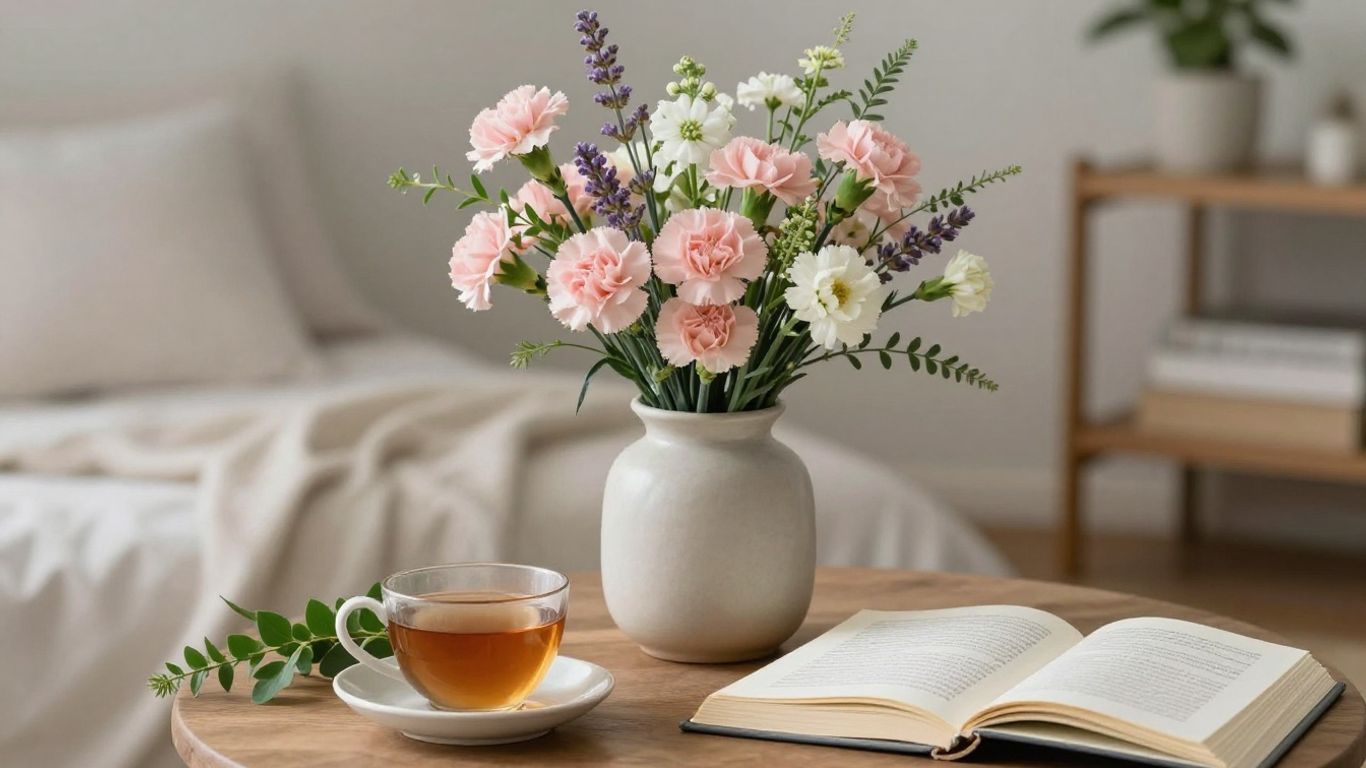
Start with one clear intention: comfort, friendship, renewal, or self-care. Then select flowers that support that intention instead of combining every traditional meaning at once. A cheerful yellow tulip with white filler flowers may feel friendly and hopeful; red roses beside a passionate message may suggest something quite different.
If the relationship with the recipient is complicated, simplicity is especially useful. One color family and a modest vase can communicate care without asking the person to decode an elaborate emotional statement.
Choosing a soothing shape, size, and vase
Rounded arrangements tend to feel gentle, while airy, asymmetrical designs can feel more natural and relaxed. Keep the size proportionate to the room and the recipient’s ability to care for it. A stable vase with a wide base is practical, especially for someone who is tired or distracted.
Texture matters, too. Soft foliage and varied heights can add interest without visual clutter. A design that looks good from several angles will be easier to live with after the initial delivery.
Adding a handwritten message that feels genuine
The card should be short, direct, and free of emotional homework. Mention the person rather than the relationship you wish they had with you. “Thinking of you today—no need to reply” is often kinder than a long explanation of why you sent the flowers.
A few dependable message ideas include:
- “I’m here, and I’m thinking of you.”
- “Wishing you a gentle day and some quiet moments.”
- “You deserve care, rest, and good company.”
- “No pressure to respond—just sending warmth.”
Choose the line that sounds like your real voice. A simple message with honest boundaries will usually land better than a poetic declaration that creates uncertainty.
Avoiding romantic symbols when the goal is comfort
If the intention is platonic support, avoid red roses, heart-shaped decorations, suggestive language, or references to getting back together. Even an innocent gesture can feel confusing when someone is vulnerable. Neutral wrapping and a warm but uncomplicated note help keep the meaning clear.
When sending flowers to someone who is still connected to an ex-partner, be even more careful. The arrangement should not become a test, a public performance, or a way to reopen a conversation they have chosen to close.
Thoughtful Valentine’s flower ideas for different situations
The right arrangement depends on who is giving it, who is receiving it, and what the relationship feels like now. A friend may need reassurance, while a former partner may need distance. Someone living far away may value the reminder of connection more than an elaborate display. Thoughtfulness is measured by fit, not price.
Flowers for a friend after a breakup
For a friend, choose colors they enjoy and a message that recognizes the day may be difficult. A bright, informal bouquet can work well, especially when delivered with an offer of practical company: dinner, a walk, or a quiet movie night. Do not assume they want to discuss the breakup every time you see them.
A small add-on can be personal without being romantic. For a book-loving friend, ideas from a librarian gift guide might inspire a companion gift, provided it reflects their interests rather than the breakup itself.
A self-gift for reclaiming Valentine’s Day
Buying your own flowers can be a quiet way to make a choice for yourself. Pick a color you normally pass over, order a favorite variety, or visit a local shop and select one stem at a time. The gesture does not need to prove that you are “over it.” It only needs to make the day feel partly yours again.
Place the bouquet somewhere you will actually see it. Let it accompany breakfast, a favorite playlist, or an evening spent away from unwanted social-media reminders.
Flowers for someone grieving a relationship
When grief is intense, understated flowers may be more appropriate than a festive Valentine’s arrangement. Choose soft colors, a manageable size, and a note that does not rush the person toward optimism. You can acknowledge the pain without trying to explain it.
There are also gentle reflections on fractured flowers and self-love that may resonate with someone who finds meaning in botanical imagery. Share such a resource only if you know they welcome reading while processing difficult feelings.
A supportive arrangement for a long-distance loved one
For someone far away, coordinate delivery for a time when they are likely to be home and able to receive it. Include a video call invitation only as an option, not an obligation. A photograph of the flowers, a voice note, or a shared meal over video can make the distance feel a little less absolute.
Ask about delivery access, pets, and apartment policies beforehand. Practical care is part of emotional care, particularly when you cannot be there to help.
When a simple single bloom is more appropriate
One flower can say enough. A single tulip, daisy, or sprig of greenery may be right for a new friendship, a sensitive situation, or someone who dislikes clutter. It is also a good option when you want to offer kindness without making the gesture feel public or significant.
Scale is not a measure of love. Sometimes the smallest arrangement leaves the most room for the recipient to breathe.
How to pair flowers with healthy self-care
Flowers can become more useful when they sit inside a broader practice of care. That practice might be very ordinary: eating something nourishing, turning off notifications, calling a trusted person, or getting enough sleep. The bouquet is a prompt, not a cure. Let it support the day rather than take over the day.
Adding tea, a journal, or a calming candle
A few modest companions can make the gift feel complete. Tea, a journal, a soft snack, or a calming candle may invite a slower evening, as long as the recipient enjoys those things and has no relevant sensitivities. A heartbreak tea ritual can offer inspiration for pairing a warm drink with reflection without framing it as a medical treatment.
Keep the bundle uncluttered. Too many items can feel like an assignment, while one useful addition may be just enough to encourage rest.
Creating a personal ritual around receiving the bouquet
A ritual gives the day a beginning and an ending. The recipient might unwrap the flowers, trim the stems, write three honest sentences, and then choose whether to talk with someone. The ritual should be flexible; skipping a step is not a failure.
For a self-gift, placing the flowers beside a favorite object can create a small corner of comfort. Over time, that space may become associated with steadiness rather than the relationship that ended.
Caring for flowers as a gentle daily routine
Changing the water, removing faded petals, and turning the vase toward the light are small acts that keep attention in the present. They also offer a visible reminder that care is repetitive and practical. Some days, that is more useful than trying to find a profound lesson.
A simple routine might include:
- Checking the water each morning.
- Trimming stems when the arrangement begins to droop.
- Moving the vase away from heat or direct harsh sunlight.
- Letting some blooms fade naturally without judging the process.
The routine is meant to be grounding, not another obligation. If it becomes tiring, simplify it or let the flowers go.
Knowing when emotional support from others may be needed
Flowers are not a substitute for trusted support or professional help. If sadness, panic, anger, hopelessness, or isolation is making everyday life hard to manage, reaching out can be a strong and sensible step. A friend, therapist, support group, or health professional may offer help that a beautiful object cannot.
If someone may be in immediate danger or thinking about self-harm, contact local emergency services or a crisis hotline right away. Staying present and helping them connect with qualified support matters more than finding the perfect words.
How to send flowers respectfully after heartbreak
The most respectful gesture is one that gives the recipient control. Consider whether contact is welcome, whether the breakup is recent, and whether flowers might arrive at an uncomfortable place. If there has been a clear request for no contact, honor it. Kind intentions do not cancel another person’s boundaries.
Choosing the right timing and delivery method
A delivery at home may feel private, while workplace flowers can create unwanted attention. Choose a time when the recipient can receive the arrangement without being placed on the spot. If you are uncertain, ask before sending or choose a less direct form of support, such as a message offering to drop something off only if they want it.
The same practical caution applies to any household-related gesture. A guide to urgent roof damage, for example, belongs to a different kind of emergency, but it illustrates a useful principle: timing and context affect whether help actually feels helpful.
Writing a message that respects personal boundaries
Keep the message centered on care rather than your own regret. Avoid asking for forgiveness, a meeting, an explanation, or a reply. If you are a former partner, be especially clear that the flowers do not carry an expectation of reconciliation.
A note such as “I hope today is gentle for you. No response needed” leaves space. It does not demand that the recipient manage your emotions while handling their own.
Avoiding pressure, guilt, or unwanted romantic expectations
Do not use flowers to create jealousy, signal that you have changed, or force a meaningful Valentine’s moment. Avoid phrases such as “after everything I did for you” or “I hope this proves how I feel.” Those messages turn a gift into leverage.
Even a gift intended to rebuild a relationship should not skip consent or honest conversation. Advice about thoughtful relationship gifts may be relevant to couples actively choosing reconnection, but it should not be applied to someone who has asked for distance.
Responding thoughtfully if the gesture is not welcomed
If the recipient says the flowers were uncomfortable or unwanted, listen without arguing. Apologize briefly, do not explain the gesture at length, and respect whatever boundary they state next. You may feel disappointed, but their response is still theirs to make.
A mature response might be, “I understand. I’m sorry for putting you in that position, and I’ll give you space.” Sometimes the most caring action after heartbreak is to stop reaching out.
Conclusion
Valentine’s flowers for a broken heart can offer a small moment of beauty, but their deepest value comes from the care and freedom surrounding them. Choose thoughtfully, keep expectations light, pair the bouquet with real self-care, and let healing unfold at its own pace. Whether the flowers arrive from a friend or from your own hands, they can mark one gentle decision to keep caring for yourself.
Frequently Asked Questions
Are flowers a good gift for someone with a broken heart?
They can be, if the person enjoys flowers and the gesture does not create pressure. A modest arrangement with a simple, boundary-respecting note is usually safer than a dramatic romantic display.
What flower color is best after a breakup?
White, yellow, pink, purple, and blue can all work, depending on the recipient’s taste and emotional state. Choose a color that feels comforting to them rather than relying only on traditional meanings.
Should I send red roses after heartbreak?
Red roses often suggest romantic love, so they may be confusing after a breakup. If your intention is friendship or comfort, choose a different flower or color and state that intention clearly.
Is it okay to buy myself Valentine’s flowers?
Yes. A self-gift can be a gentle way to reclaim the day and create a comforting atmosphere without pretending that the heartbreak never happened.
What should I write on a card for someone grieving a relationship?
Keep it brief and pressure-free. You might say that you are thinking of them, wishing them a gentle day, and available if they want company, while making clear that no reply is necessary.
Are dried flowers appropriate during emotional recovery?
They may suit someone who prefers lasting arrangements and low maintenance. Because dried flowers can feel nostalgic to some people, consider the recipient’s associations before choosing them.
When should I avoid sending flowers after a breakup?
Avoid sending them when the person has requested no contact, when delivery would embarrass them, or when you are secretly hoping the gift will restart the relationship. Respectful distance is sometimes the kinder choice.