
Key Takeaways
Small achievements deserve more than a quick “good job.” A thoughtful bouquet can make progress feel visible, personal, and worth remembering.
- Match the flowers to the kind of victory being celebrated.
- Use symbolism and color to express the feeling behind the gift.
- Personal details, such as a note or favorite vase style, make a bouquet more meaningful.
- Seasonal stems, single blooms, and potted plants can suit modest budgets.
- Simple care and preservation can extend the celebration beyond the first few days.
Match flowers to the victory being celebrated
The best flowers that celebrate small victories feel connected to the moment. Finishing a demanding task calls for a different mood than simply making it through a difficult day. Before choosing stems, think about what changed, how much effort it took, and whether the recipient would prefer something bright, calm, or quietly encouraging.
A bouquet does not need to announce a major milestone. Sometimes its purpose is simply to say that someone noticed. That small act of recognition can make an ordinary achievement feel more real.
Finishing a challenging project
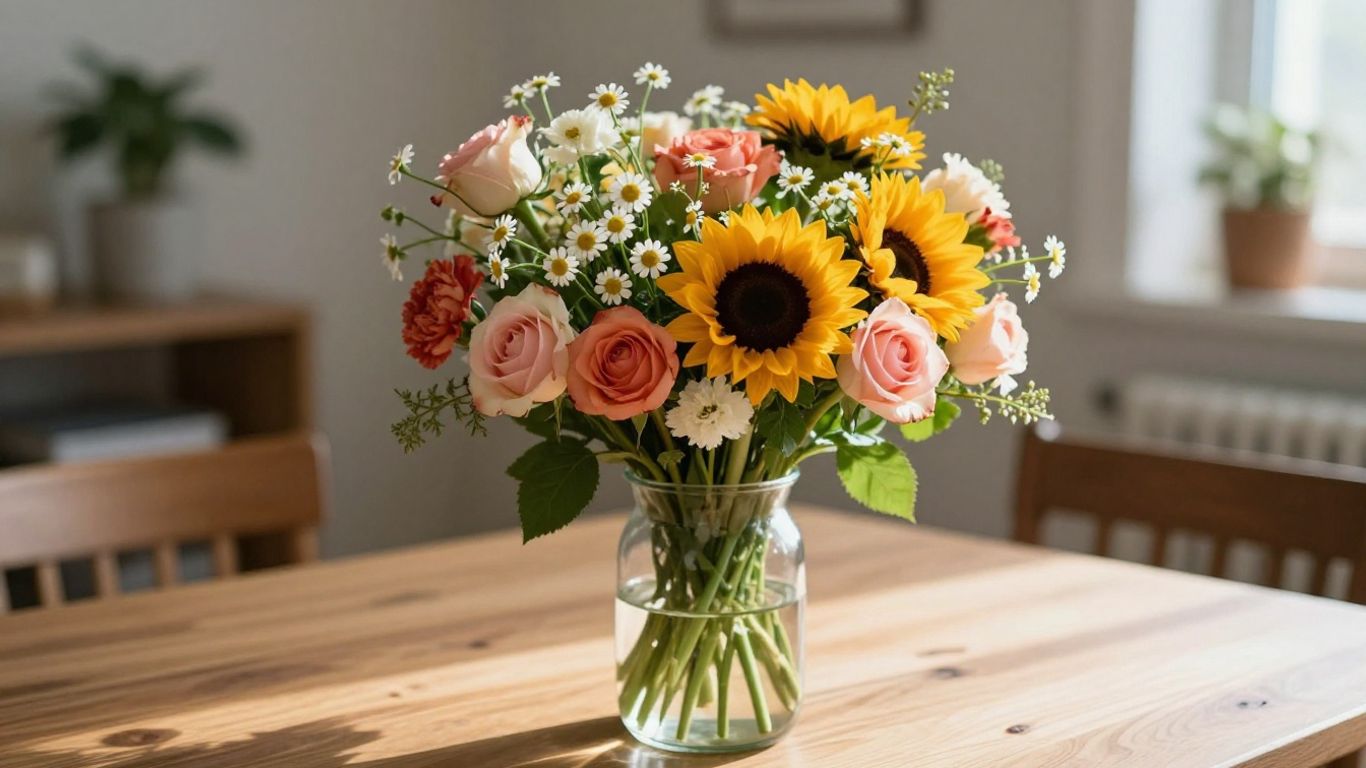
After a long project, choose flowers with structure and energy. Sunflowers, orange roses, or a mixed arrangement with strong focal blooms can echo the satisfaction of finally crossing something off the list. A compact milestone card can accompany the bouquet when a few written words would make the gesture feel complete.
The message does not need to praise perfection. Mention the persistence involved, the late nights, or the careful final details. Specific recognition usually feels warmer than a generic congratulations.
Reaching a personal wellness goal
A wellness goal can be deeply personal, so the bouquet should feel supportive rather than showy. Soft pinks, fresh greens, and flowers with an airy shape create a gentle celebration for milestones such as establishing a routine, taking needed rest, or completing a personal challenge.
Keep the language centered on effort and self-care instead of appearance or comparison. The gift should affirm that progress counts even when nobody else saw every step.
Getting through a difficult day
Flowers can also acknowledge survival, recovery, or simply the decision to keep going. Choose a small, comforting arrangement in calm colors, perhaps with daisies, white blooms, or delicate filler flowers. It can be sent without a grand explanation; the presence of the gesture may be enough.
For this kind of moment, a low-maintenance bouquet is often more considerate than an elaborate one. A short note such as “I’m glad you made it through today” keeps the focus on care.
Marking progress in school, work, or hobbies
Progress does not always arrive as a finished result. A student may complete a difficult unit, a colleague may learn a new skill, or a hobbyist may finally master one stubborn technique. Flowers can honor that movement without pretending the entire journey is over.
A small arrangement is especially fitting here because it leaves room for the next step. Celebrating progress regularly is one reason small wins build momentum: recognition turns effort into something easier to notice and remember.
Choose flowers by their symbolism
Flower meanings are flexible, and personal associations matter more than a strict dictionary. Still, symbolism offers a useful starting point when you want the bouquet to carry a message before the card is read. Think of it as a quiet layer of meaning, not a rulebook.
Consider the recipient’s taste as well. A flower with perfect symbolism will not feel thoughtful if its scent, color, or style is obviously unlike them.
Roses for appreciation and encouragement
Roses can express appreciation without requiring a romantic message. Yellow and peach roses feel friendly and open, while pink roses often suit encouragement and gratitude. A few roses mixed with lighter blooms can make the arrangement feel warm rather than formal.
Choose the shade according to the relationship and the achievement. The most meaningful rose is usually the one that sounds like something you would naturally give that person.
Sunflowers for optimism and confidence
Sunflowers bring height, warmth, and an unmistakably cheerful presence. They are a natural choice for someone who has taken a brave step, finished a demanding season, or needs a visible reminder of their own capability.
One or two stems can brighten a small gift, while a fuller grouping creates a celebratory centerpiece. Their bold shape also works well when the recipient enjoys vivid, uncomplicated color.
Daisies for fresh starts and simple joy
Daisies suit beginnings because they feel clean, informal, and hopeful. Give them after a first day, a new routine, or a small breakthrough that deserves encouragement without ceremony.
They also work beautifully in mixed bouquets. Their open faces soften stronger flowers and bring a sense of everyday happiness to the arrangement.
Carnations for admiration and perseverance
Carnations are useful when the achievement involved patience. Their ruffled petals last well and can convey admiration, steady support, or appreciation for work that took longer than expected.
Use one color for a neat, focused arrangement or combine several shades for a more relaxed look. Their texture adds fullness without requiring a large number of stems.
Use color to express the right feeling
Color often communicates before the recipient reads the note. Bright shades can make a bouquet feel energetic, while pale tones create room for rest and reflection. The right choice depends on both the achievement and the emotional temperature of the moment.
There is no need to follow floral color meanings rigidly. A favorite color, a school color, or a shade connected to a shared memory may say more than a traditional interpretation.
Yellow for happiness and positive momentum
Yellow flowers feel sunny and encouraging. They fit a completed task, a new habit, or any moment when someone needs a lift after sustained effort.
Pair yellow with white for a crisp arrangement or with blue and green accents for a cooler, more balanced palette. A little yellow can be enough to make a modest bouquet feel celebratory.
Pink for kindness and emotional support
Pink is gentle without being dull. Pale pinks work well for reassurance, while brighter pinks bring a little more confidence and movement to the arrangement.
Use pink when you want the bouquet to say, “I’m proud of you, and I’m here.” It is especially fitting for private goals or achievements that required emotional resilience.
Orange for energy and motivation
Orange flowers add warmth and drive. They suit creative breakthroughs, athletic progress, study milestones, and any achievement that leaves the recipient ready for the next challenge.
Because orange can be intense, balance it with cream, green, or soft yellow. The result stays lively while remaining easy to live with at home or on a desk.
White for calm, clarity, and new beginnings
White flowers offer a quieter kind of celebration. They can mark a fresh start, a peaceful decision, or the completion of a difficult chapter.
Add greenery or one restrained accent color so the arrangement does not feel too formal. White blooms are often most effective when the message is understated and sincere.
Create an arrangement that feels personal
Meaning comes from the details surrounding the flowers as much as from the flowers themselves. Think about where the recipient will place the bouquet, how much care they can give it, and what small choices would make it feel unmistakably theirs.
A personal arrangement may be simple. The thoughtful detail matters most when it connects the gift to a shared memory, a favorite color, or the specific effort behind the achievement.
Combine focal flowers with cheerful fillers
Start with one or two focal flowers that carry the mood, then add smaller blooms to keep the arrangement light. Baby’s breath, waxflower, asters, or delicate daisies can fill spaces without competing with the main stems.
Varying flower sizes makes a small bouquet look considered. It also lets you include a favorite flower without needing a large, expensive bunch.
Add greenery for balance and texture
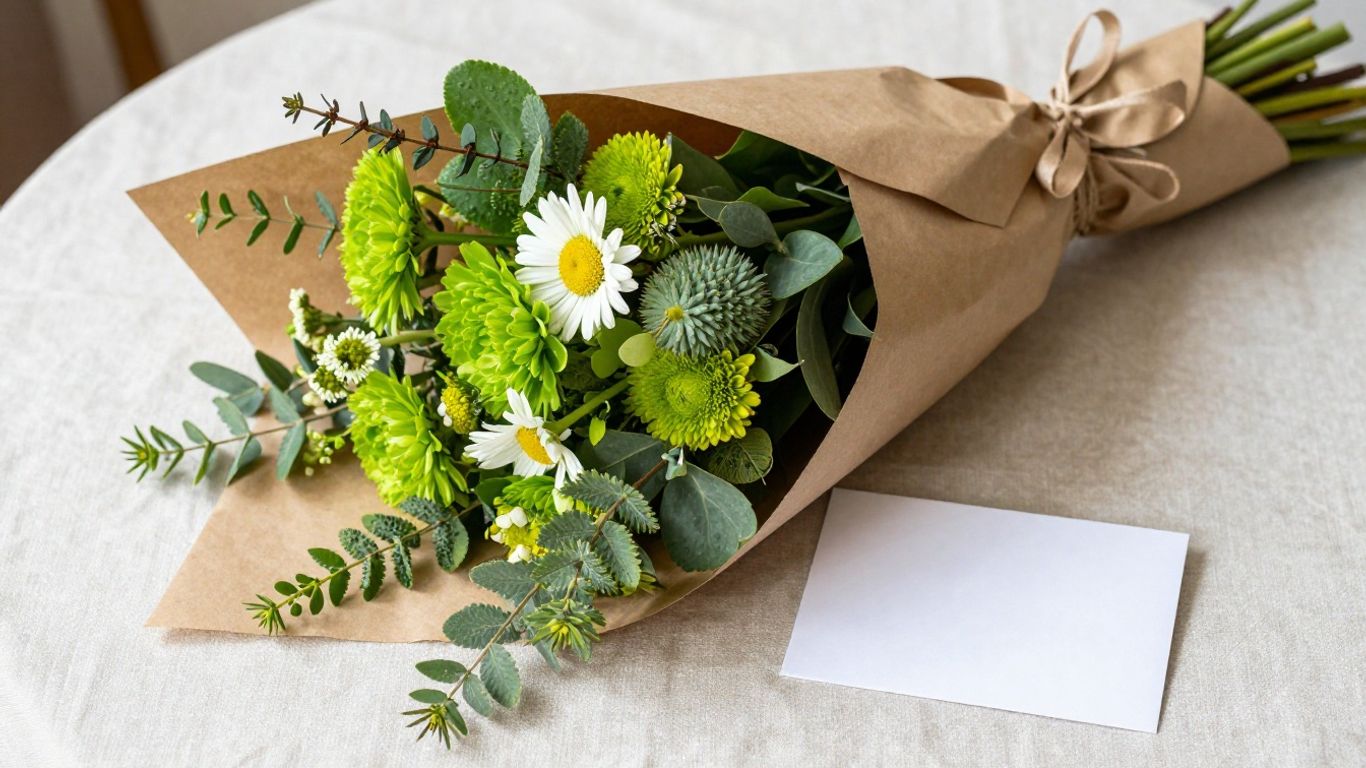
Greenery gives the eye somewhere to rest and helps flowers feel arranged rather than simply gathered. Eucalyptus, ruscus, ferns, or leafy garden stems can add movement around the brighter blooms.
Use foliage with restraint. Too much can hide the flowers, but a few varied leaves often make even a small hand-tied bouquet feel finished.
Include a handwritten note about the achievement
Write about the exact moment you are celebrating. “You kept going through a hard week” or “You finally finished the first draft” will feel more personal than a broad compliment.
A physical note can become part of the memory, much like the tradition described in achievement cards, though the message can be entirely your own. Keep it short enough to sound natural and specific enough to be remembered.
Choose a vase or wrapping style that suits the recipient
A minimalist glass vase may suit someone who likes clean lines, while a colorful ceramic vessel may feel right for a maximalist. If the recipient travels or has limited space, paper wrapping and a small water tube may be more practical.
The container should support the gift rather than overshadow it. Consider whether it can be reused, stored easily, or placed somewhere the recipient will see it often.
Find meaningful options for every budget
A meaningful bouquet is not measured by its size. The thought behind the selection, timing, and message often carries more weight than an overflowing arrangement. Setting a budget first can make choosing easier and prevent the gift from becoming unnecessarily elaborate.
Seasonality, stem count, and presentation all affect price. Even a modest purchase can look intentional when the flowers are fresh and arranged with care.
Select seasonal flowers for better value
Flowers that are naturally available in the season often offer better value and a more relaxed sense of place. Ask a florist which local or seasonal stems are looking best, then build the bouquet around those choices.
Seasonal flowers can also make the gift feel timely. Spring blooms, summer sunflowers, autumnal tones, or winter whites each create a distinct atmosphere without requiring unusual varieties.
Build a small hand-tied bouquet
A hand-tied bouquet can be both affordable and personal. Choose three kinds of flowers: one focal bloom, one supporting flower, and one filler or greenery. Keeping the palette limited makes the result feel cohesive.
These are useful combinations to consider when planning a small gift:
- One bright focal flower with white fillers and green leaves.
- Three complementary shades of the same flower.
- A single-color bouquet with varied textures.
- Seasonal stems wrapped in kraft paper or soft tissue.
The arrangement does not need professional symmetry. A slightly loose shape often feels more cheerful and handmade, especially when paired with a note about the specific victory.
Give a single standout bloom
One excellent stem can carry plenty of meaning. A sunflower, rose, lily, or unusual seasonal flower may be the right choice for someone who prefers simplicity or has little room for a vase.
Wrap the stem neatly and add a small card. The restraint can make the gesture feel deliberate rather than incomplete.
Consider potted plants that represent ongoing growth
A small potted plant suits achievements that are still unfolding. Herbs, compact flowering plants, and easy-care foliage can remind the recipient that progress continues after the initial celebration.
Choose the plant according to the person’s light, space, and willingness to care for it. A beautiful plant that needs conditions they cannot provide may create pressure instead of pleasure.
Keep the celebration going after the flowers arrive
The first few days are only part of the experience. A little practical care can keep the bouquet fresh, while preservation can turn a temporary gift into a lasting reminder. The goal is not to make the celebration elaborate, but to give it a little more time.
If the flowers are being delivered, include care instructions that are short and easy to follow. A recipient should feel supported, not assigned another project.
Choose long-lasting blooms
Carnations, chrysanthemums, alstroemeria, and some roses can remain attractive for a relatively long time when cared for properly. Mix a few durable flowers into a more delicate arrangement so the bouquet changes gracefully as it ages.
Ask for fresh stems and trim them before placing them in clean water. Even one simple step can improve how long the arrangement remains enjoyable.
Share simple flower-care instructions
Give the recipient only the essentials: use a clean vase, change the water regularly, trim the stems at an angle, and keep the flowers away from direct heat or strong sunlight. These instructions are easy to remember and cover the main causes of early wilting.
If the bouquet includes a plant, add its light and watering needs separately. Clear guidance makes the gift feel considerate rather than mysterious.
Dry or press flowers as a keepsake
Some flowers can be dried upside down, while flatter petals and leaves can be pressed between absorbent paper. Choose a few attractive stems before they fade completely, since fresher material usually keeps its shape and color better.
The finished pieces can go into a journal, frame, greeting card, or small keepsake box. The result will not look exactly as it did on the first day, but that change can become part of the memory.
A short flower-preservation demonstration can help when the recipient prefers to see the process. For broader inspiration, everyday victories are a useful reminder that a keepsake does not need to be tied to a dramatic milestone.
Use recurring bouquets to honor continued progress
For a longer project, consider sending a small bouquet at meaningful intervals rather than waiting for the final result. Monthly flowers, seasonal stems, or occasional single blooms can acknowledge the work still underway.
Keep the rhythm flexible and avoid turning encouragement into an obligation. The best recurring gesture leaves the recipient feeling seen, not monitored.
Conclusion
Flowers can make a small victory visible without making it feel inflated. Choose a bloom, color, size, and message that fit the person and the moment, then let the gesture be warm, specific, and easy to receive.
Frequently Asked Questions
What flowers are best for celebrating a small achievement?
Sunflowers, roses, daisies, carnations, and mixed seasonal bouquets all work well. Choose based on the recipient’s taste and the feeling you want to express.
Is a small bouquet meaningful enough?
Yes. A single flower or a compact hand-tied bouquet can feel deeply thoughtful when it connects to a specific accomplishment and includes a sincere note.
What color flowers express encouragement?
Yellow, pink, and orange are common choices for encouragement. Yellow feels cheerful, pink feels supportive, and orange brings energy and motivation.
Are flowers appropriate for a personal wellness milestone?
They can be, especially when the gift focuses on effort, care, and persistence rather than appearance or comparison. Softer colors often suit a private wellness achievement.
How can I make an inexpensive bouquet look special?
Use seasonal flowers, limit the palette, add a little greenery, and wrap the stems neatly. A handwritten note often contributes more meaning than extra flowers.
Which flowers last the longest in a vase?
Carnations, chrysanthemums, and alstroemeria are often durable choices, though freshness and care also affect vase life. Clean water and trimmed stems help most arrangements last longer.
Can flowers be preserved after a celebration?
Yes. Selected stems can be air-dried or pressed, then used in a frame, journal, card, or keepsake box. Preservation works best when started before the flowers fully wilt.