
Key Takeaways
Flowers cannot erase grief or trauma, but they can offer gentle sensory cues, meaningful rituals, and moments of connection while someone heals.
- Let personal meaning guide flower choices more than fixed symbolism.
- Treat flowers as comfort and ritual, not a replacement for professional care.
- Use scent, color, texture, and tending routines according to your energy and preferences.
- Offer flowers with sensitivity to culture, allergies, grief triggers, and boundaries.
- Small, repeatable rituals can make emotional care feel more reachable.
Understanding the healing power of flowers
Flowers that heal invisible wounds do not work like medicine, and no single bloom can resolve profound pain. Their value is quieter: they give attention somewhere safe to rest, create a rhythm in an unsettled day, and make feelings easier to approach. A vase on a table can become a small reminder that care is still possible.
The response is personal rather than universal. Some people find comfort in fragrance and color, while others prefer scent-free plants, dried stems, or simply a walk through a garden. What matters is the relationship a person forms with the ritual.
Why flowers can support emotional well-being
Flowers invite the senses into the present moment. Noticing the curve of a petal, the weight of a stem, or the changing light across a bouquet can interrupt a spiral of worry without demanding that a person explain everything. Gentle attention matters when concentration and energy are limited.
This kind of pause can also support connection. Caring for a plant, accepting a bouquet, or sharing a memory about a particular garden gives people a low-pressure way to communicate. It is not a cure, but it may create a little room around difficult emotions.
The difference between comfort, symbolism, and treatment
Comfort is immediate and sensory: a familiar scent, a pleasing color, or the feeling of arranging stems. Symbolism adds a personal or cultural layer, allowing a flower to stand for remembrance, hope, devotion, or continuity. Treatment is different; it involves evidence-based support from qualified professionals and may include therapy, medical care, or crisis services.
Keeping those categories separate protects people from false promises. A flower ritual can sit beside counseling or medication, but it should never be presented as an alternative when someone needs clinical help. A compassionate overview of trauma and mindfulness, such as body-based mindfulness practices, can also encourage reflection without turning reflection into a substitute for care.
How color, scent, texture, and growth shape emotional responses
A pale arrangement may feel restful to one person and lifeless to another. Bright yellow can bring energy, while strong fragrance may trigger a headache or an unwanted memory. The texture of soft petals, rough leaves, or woody stems can make an arrangement feel inviting, grounded, or too busy.
Growth adds another dimension. Watching a bud open or a cutting take root offers a visible sense of change, though it should not be forced into a lesson about recovery. Healing is rarely linear, and a plant’s steady growth does not mean a person must improve on a schedule.
When flower-based rituals complement professional support
A flower-centered practice can accompany therapy by giving someone a gentle activity before or after an appointment. A person might choose one stem to notice during a breathing exercise, tend a plant between sessions, or use a bouquet as a prompt for journaling. The ritual remains flexible and should be stopped if it causes distress.
If someone is in immediate danger, experiencing thoughts of suicide, or unable to stay safe, contact local emergency services or a crisis service. Emotional support from flowers is modest; reaching a qualified professional is the more urgent form of care in a crisis.
Choosing flowers for grief and remembrance
Grief changes how ordinary objects feel. Flowers may bring tenderness, but they may also recall a hospital room, a funeral, a favorite season, or a relationship that has changed. There is no universally correct sympathy arrangement, and the kindest choice is often the one that reflects the person rather than a rigid tradition.
Before giving flowers, consider what the recipient actually enjoys and whether practical support would be more welcome. A small plant, a meal, help with errands, or a quiet message can be as thoughtful as a formal bouquet.
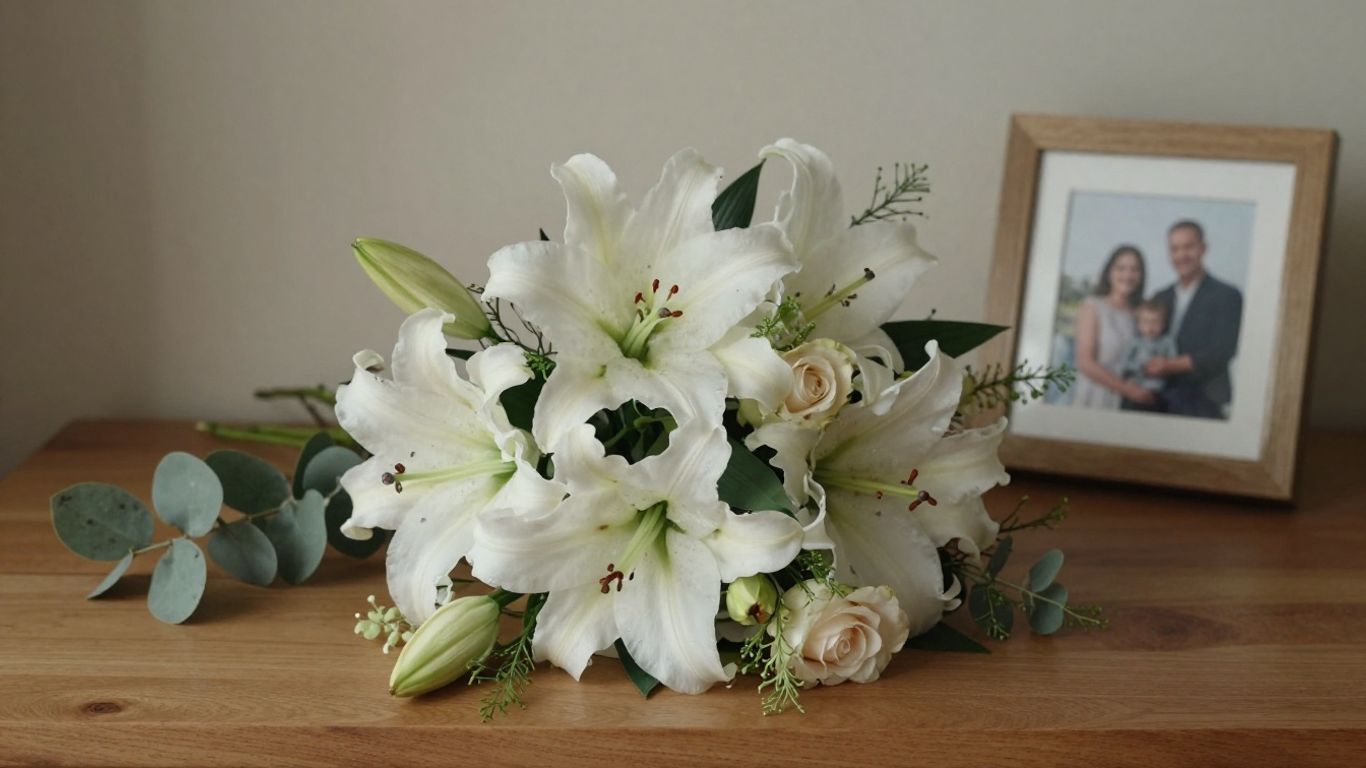
A remembrance practice can be private or shared. It might involve placing flowers beside a photograph, tending a garden corner, or returning to a meaningful landscape on an anniversary.
Roses, lilies, and chrysanthemums in mourning traditions
Roses, lilies, and chrysanthemums appear in many mourning customs, but their meanings vary widely by place, faith, family, and generation. A lily may suggest peace to one household and remind another of a particular ceremony. Chrysanthemums can be associated with mourning in some cultures and with celebration or ordinary affection in others.
These associations are useful starting points, not rules. When you know the family’s traditions, follow them; when you do not, choose something restrained and personal or ask a trusted person for guidance.
Selecting blooms that reflect a person or shared memory
The most moving flower may be the one connected to a person’s daily life: the marigolds they grew, the native wildflowers from a favorite walk, or the color they wore often. A modest bouquet can carry more meaning than an expensive arrangement when it recalls a shared place or habit.
You can include a short note explaining the connection, while leaving room for the recipient to respond in their own way. Grief does not require a polished reaction or immediate gratitude.
Creating a remembrance bouquet or garden
A remembrance bouquet can be arranged around one central memory, such as a favorite flower, a season, or a color palette. For a longer-lasting tribute, consider a pot or garden bed that can be visited without demanding constant upkeep. Choose plants suited to the light, climate, and available energy.
A simple plan can keep the ritual manageable:
- Select one flower connected to the person or memory.
- Add foliage or a second bloom for shape and contrast.
- Place the arrangement somewhere safe and visible.
- Refresh, compost, dry, or replant it when that feels right.
The ending of a bouquet is not an ending of love. Letting flowers fade can itself become a respectful part of remembrance, rather than a task that must be prolonged.
Cultural considerations when giving sympathy flowers
Ask before assuming that flowers are welcome. Some traditions have specific colors, numbers, or arrangements for funerals, while some families prefer donations, food, candles, or practical assistance. Religious customs and household beliefs may also affect which plants are appropriate.
When uncertainty remains, a message such as “Would flowers feel comforting, or would another kind of support be better?” gives the grieving person control. That small question can prevent a well-meant gesture from becoming an obligation.
Flowers associated with trauma and resilience
People often connect certain flowers with survival, hope, or renewal because of their color, persistence, or place in family stories. These associations can be meaningful, but they are not diagnostic and should never be used to judge how well someone is coping. Resilience is not constant strength; it can include resting, asking for help, and beginning again slowly.
The best symbol is the one that feels honest to the person using it. A flower does not need to look cheerful to hold meaning.
Sunflowers as symbols of hope and renewal
Sunflowers are often chosen for their open faces, strong stems, and warm color. For some people, they suggest a return of light after a difficult season. For others, their brightness may feel too demanding when they are exhausted or grieving.
If a sunflower becomes part of a ritual, let its meaning remain personal. It can mark a small act of renewal, such as opening the curtains, taking a walk, or accepting support, without implying that pain has disappeared.
Lavender for calm, rest, and soothing routines
Lavender is familiar in many calming routines, especially through its gentle color and recognizable scent. Some people enjoy a small dried bundle near a bedside table, while others prefer unscented flowers because fragrance can irritate or overwhelm them.
A lavender ritual might be as simple as watering a plant, folding dried stems into a drawer, or pausing beside a pot before bed. The calming effect should be understood as a personal sensory response, not a guaranteed treatment for anxiety or trauma.
Daisies and wildflowers as reminders of endurance
Daisies and wildflowers can feel approachable because they are often associated with fields, roadsides, childhood, or changing weather. Their informality may suit someone who finds formal bouquets too heavy. A small jar of mixed stems can acknowledge endurance without making the gesture grand.
Wildflowers also invite attention to variety. Different heights, colors, and imperfections can make a natural arrangement feel more truthful than a perfectly matched display.
Choosing meaningful flowers without romanticizing pain
Pain does not make a person wiser, stronger, or more beautiful by obligation. Avoid language that turns trauma into a gift or suggests someone should be grateful for what happened. Flowers can honor survival while still acknowledging anger, fatigue, confusion, and the need for ongoing support.
A respectful symbol leaves room for contradiction. Someone may love a hopeful flower one day and dislike it the next; both responses can belong to the same healing journey.
Using flowers in everyday healing rituals
Rituals become useful when they are small enough to repeat and loose enough to change. The point is not to create another standard to fail, but to offer a sensory anchor during ordinary transitions. A single stem in a glass can be enough.
Choose an action that matches your capacity. On a difficult day, looking at a plant may be more realistic than arranging a full bouquet or tending a garden.
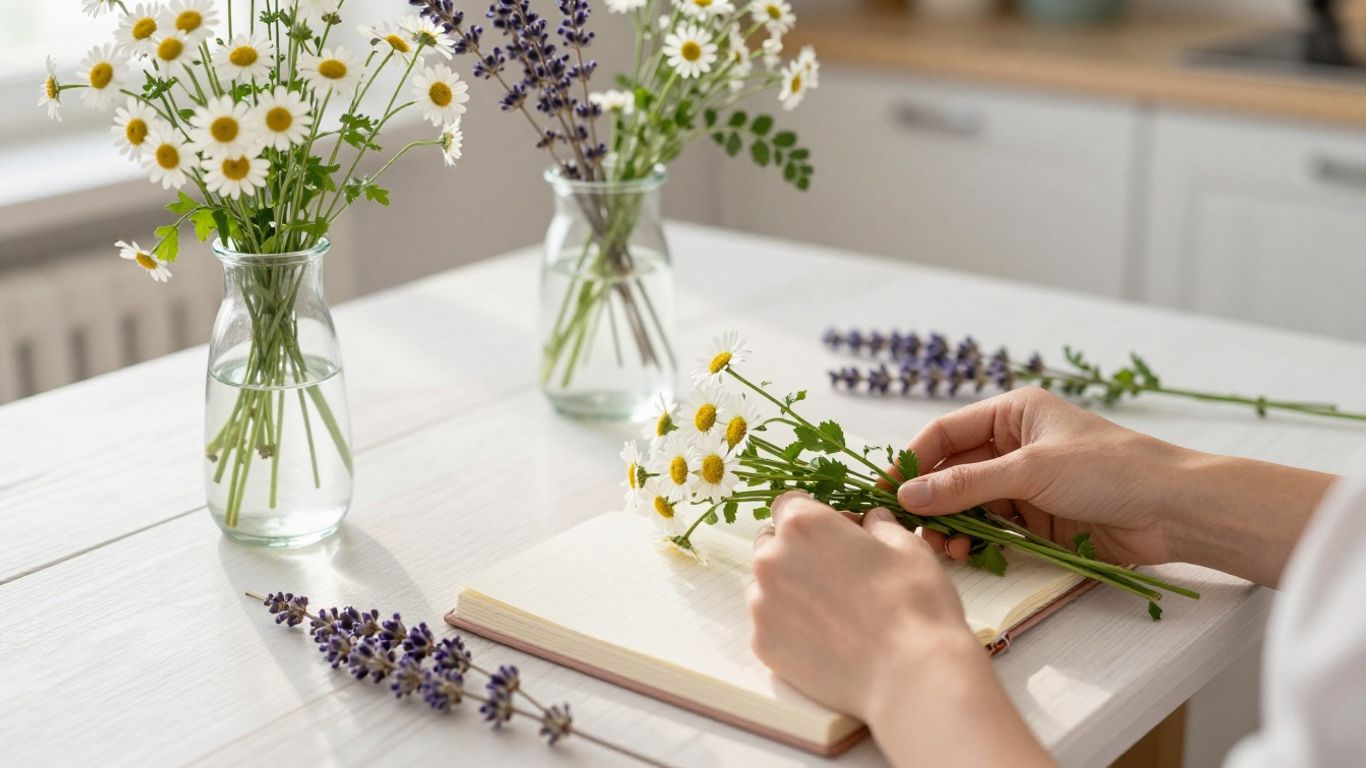
The practice can be private, shared with a friend, or woven into an existing routine. There is no need to make it public or explain its meaning.
Building a mindful morning or evening practice
In the morning, notice one detail of a flower before reaching for your phone. In the evening, remove a wilted stem or refill a vase while taking a few unhurried breaths. These actions create a boundary around the day without requiring a long meditation session.
Try keeping the practice consistent in shape but flexible in duration. A minute may be enough when energy is low; ten minutes may feel right when there is more space.
Pressing flowers to preserve memories and milestones
Pressing flowers can preserve a small physical trace of a place, person, or transition. Choose blooms that are dry, arrange them between absorbent paper, and place them under a heavy book or in a press. Once flat and fully dry, they can be stored in a journal, frame, or envelope.
The process encourages patience, but the result does not need to be perfect. A crooked petal or faded color can make the keepsake feel more connected to real time and memory.
Keeping a small bouquet as an emotional anchor
A small bouquet works well as an anchor because it is visible without taking over a room. Place it near a desk, bedside table, or entryway, and let it mark a moment when you pause and check in with yourself. The flowers can be fresh, dried, artificial, or simply represented by a single leaf.
When choosing what to keep nearby, consider:
- A scent level that feels comfortable rather than intense.
- A container that is stable and easy to clean.
- A color or texture connected to a reassuring memory.
- A size that does not create pressure to maintain it perfectly.
The anchor is the act of returning, not the condition of the bouquet. Replacing it, moving it, or letting it go can all be part of the practice.
Pairing floral rituals with journaling, meditation, or breathing exercises
Flowers can give journaling a concrete starting point. Write three observations about the arrangement, then name one feeling or need that is present. During breathing exercises, use the rhythm of placing stems in water or trimming leaves as a gentle point of focus.
For a visual introduction to reflective flower practices, this video may offer another way to approach the topic without turning it into a performance.
Afterward, notice whether the exercise left you calmer, more alert, or uncomfortable. That information is useful; a ritual should be adapted to the person, not defended when it no longer helps.
Designing a therapeutic flower space
A flower space does not need to be large, expensive, or professionally designed. It might be one windowsill, a balcony pot, a shelf with dried stems, or a chair beside a shared garden. The aim is to make supportive sensory experiences easier to reach.
Think about movement, light, noise, scent, and maintenance before buying anything. A beautiful arrangement that blocks a walkway or creates daily stress is not restorative in practice.
Creating a calming indoor arrangement
Start with one stable vessel and a small number of stems. Repeated shapes and a limited color range may feel restful, while varied textures can make the arrangement more engaging. Keep scissors, a cloth, and a water source nearby so care stays simple.
Natural light can change how the arrangement feels throughout the day. Place it where it can be noticed without becoming a visual demand, and remove flowers promptly if they wilt or develop mold.
Planning a restorative balcony or garden
A balcony or garden can support quiet observation, gentle movement, and seasonal awareness. Include a comfortable place to sit, a clear route for watering, and plants suited to the amount of sun and wind available. Even a few containers can create a sense of enclosure.
Plan for pauses rather than perfection. A garden that welcomes brief visits is more useful than one that requires constant work from someone already managing emotional fatigue.
Choosing low-maintenance plants for limited energy
Low-maintenance plants can reduce the guilt that comes with missed care. Look for varieties suited to the local conditions, use containers with good drainage, and group plants according to similar watering needs. Dried flowers are also a valid choice when living plants feel like too much.
A useful space can include:
- One plant that tolerates occasional missed watering.
- A lightweight watering can or accessible tap.
- A stable surface at a comfortable height.
- A small bin for fallen leaves and spent stems.
These practical details turn a comforting idea into a space someone can actually use. Accessibility is part of beauty, not a compromise to it.
Making the space accessible and safe for pets and children
Check whether each plant is safe around the people and animals who share the home. Keep sharp tools, fertilizers, vases, and standing water out of reach, and secure tall arrangements where they cannot be pulled down. Fragrance-free choices may be best for sensitive households.
If an accident or exposure occurs, contact a veterinarian, poison service, or medical professional as appropriate. A calming space should lower risk rather than introduce new concerns.
Practicing flower-centered care with sensitivity
Flowers are gestures, not solutions. Their meaning depends on timing, relationship, culture, and the recipient’s current capacity. Care becomes more respectful when it offers choice instead of quietly asking someone to perform gratitude or optimism.
Whether you are choosing flowers for yourself or someone else, listen first. Sometimes the most supportive response is a practical offer, a quiet presence, or permission to feel exactly as one feels.
Avoiding harmful assumptions about someone’s healing journey
Do not assume that a person wants to discuss their trauma, celebrate resilience, or turn a difficult experience into a lesson. A bright bouquet may feel supportive to one person and alienating to another. Ask what would be comforting, and accept a no without asking for an explanation.
Language matters too. “I am here with you” is often safer than “Everything happens for a reason.” Flowers can accompany empathy, but they cannot replace it.
Giving flowers when words feel difficult
A small bouquet can communicate remembrance, affection, or availability when a message feels inadequate. Include a note that does not demand a reply, such as “Thinking of you. No need to answer.” If delivery would create pressure, leave the flowers with a mutual friend or offer to bring them later.
For someone in grief, pair the gesture with something practical when possible. A meal, a lift, or help with household tasks may be more useful than another object to arrange.
Recognizing when emotional pain needs professional help
Persistent hopelessness, severe anxiety, inability to function, substance misuse, self-harm, or thoughts of suicide deserve professional attention. So do trauma reactions that continue to disrupt sleep, relationships, work, or a sense of safety. A flower ritual can be a bridge to care, but it should not delay it.
Encourage the person to contact a doctor, therapist, crisis line, or trusted support service. If there is immediate danger, seek emergency help and stay with the person if it is safe to do so.
Respecting allergies, grief triggers, and personal preferences
Ask about allergies, asthma, pets, cultural practices, and flowers connected with painful memories. Some people prefer plants without fragrance; others dislike cut flowers because they associate them with funerals or hospitals. A digital photograph, a walk outdoors, or practical help may be a better offering.
Respect also means accepting that preferences can change. The kindest flower-centered care leaves room for revision, silence, and an answer that is simply no.
Conclusion
Flowers can offer a tender language for grief, trauma, memory, and renewal, especially when they are used with humility. Their gifts are modest but real: a pause, a sensory anchor, a shared remembrance, or a manageable act of care. Let personal meaning lead, keep expectations gentle, and make room for professional support whenever emotional pain asks for more than a bouquet can provide.
Frequently Asked Questions
Can flowers really help with emotional healing?
Flowers may support comfort, mindfulness, connection, and meaningful routines, but they do not cure trauma, grief, depression, or anxiety. Their usefulness depends on the individual and works best alongside appropriate personal and professional support.
What flowers are best for grief?
There is no universally best flower for grief. Choose blooms connected to the person, family, culture, or shared memory, and ask about preferences when possible. A simple, personal arrangement is often more meaningful than a traditional one chosen without context.
Are certain flowers associated with trauma recovery?
Sunflowers, lavender, daisies, and wildflowers are sometimes associated with hope, calm, endurance, or renewal. These meanings are personal rather than medical, and no flower should be used to judge how someone is coping.
How can I create a flower ritual at home?
Keep the ritual small: notice a flower while breathing, refresh a vase, water a plant, press a bloom, or write about a memory. Choose an action that fits your energy and allow the practice to change when your needs change.
What if flowers trigger a painful memory?
Stop using that flower and choose a different sensory object or activity. You might try an unscented plant, a landscape photograph, music, or a quiet walk. A supportive ritual should feel optional, not like something you must endure.
Should I give flowers to someone who is grieving?
Ask whether flowers would be welcome, especially if you know little about the person’s traditions, allergies, or preferences. Offer a no-pressure message and consider practical help if a bouquet might create another task.
When should someone seek professional help?
Seek professional help when emotional pain is persistent, overwhelming, affects daily functioning, or includes self-harm or suicidal thoughts. In an immediate crisis or when someone cannot stay safe, contact local emergency services or a crisis service without delay.